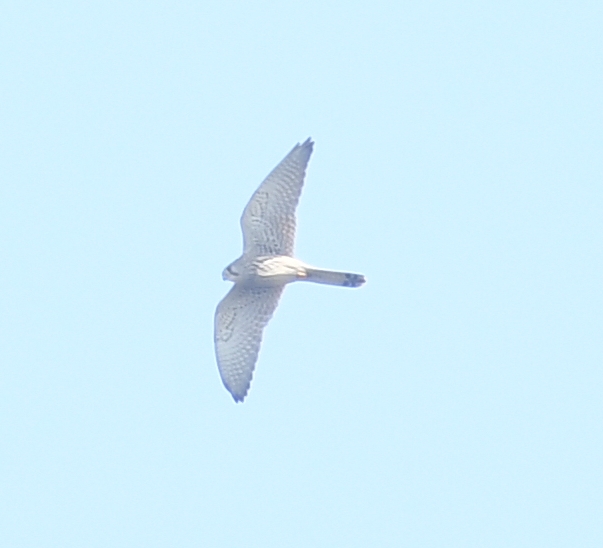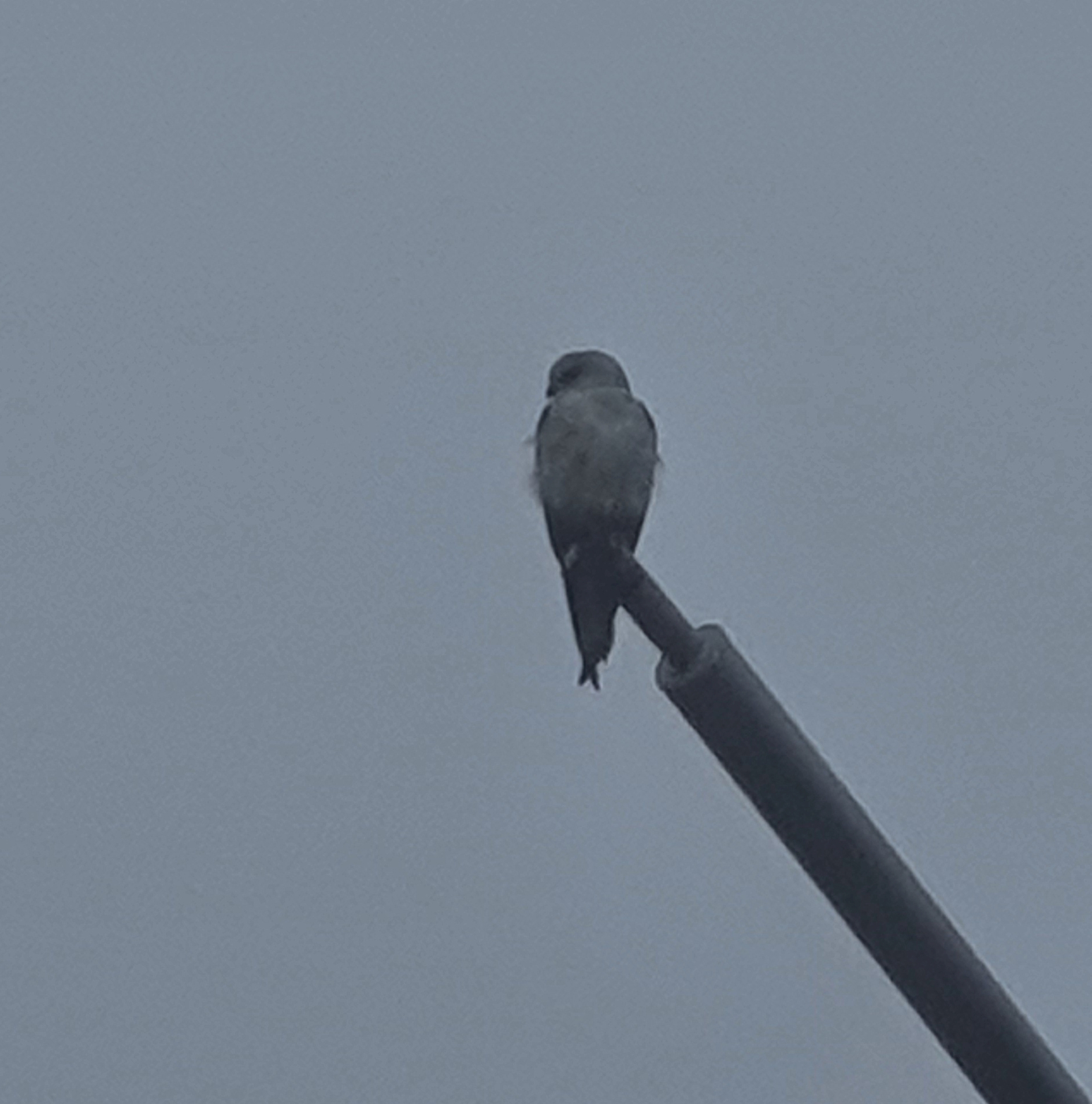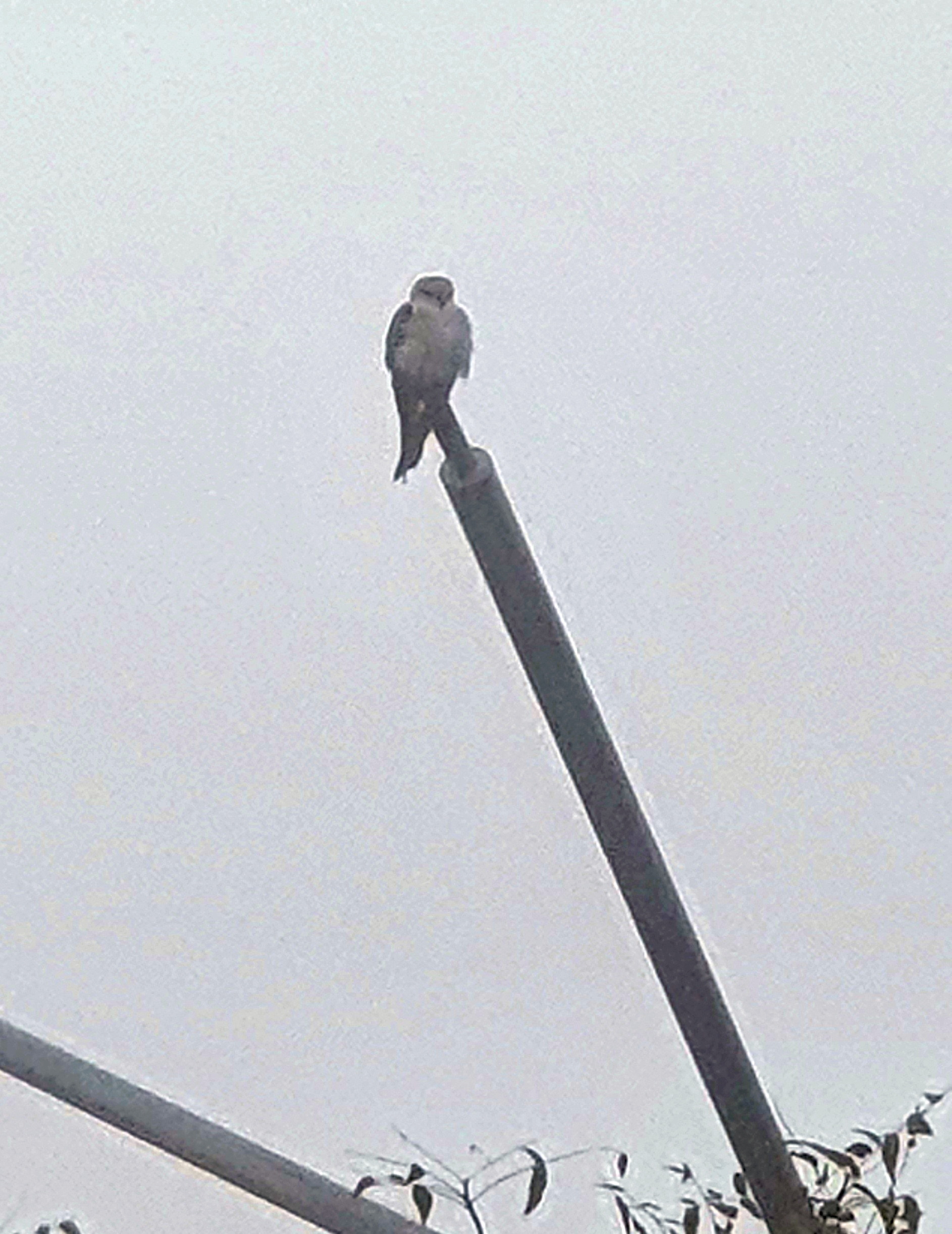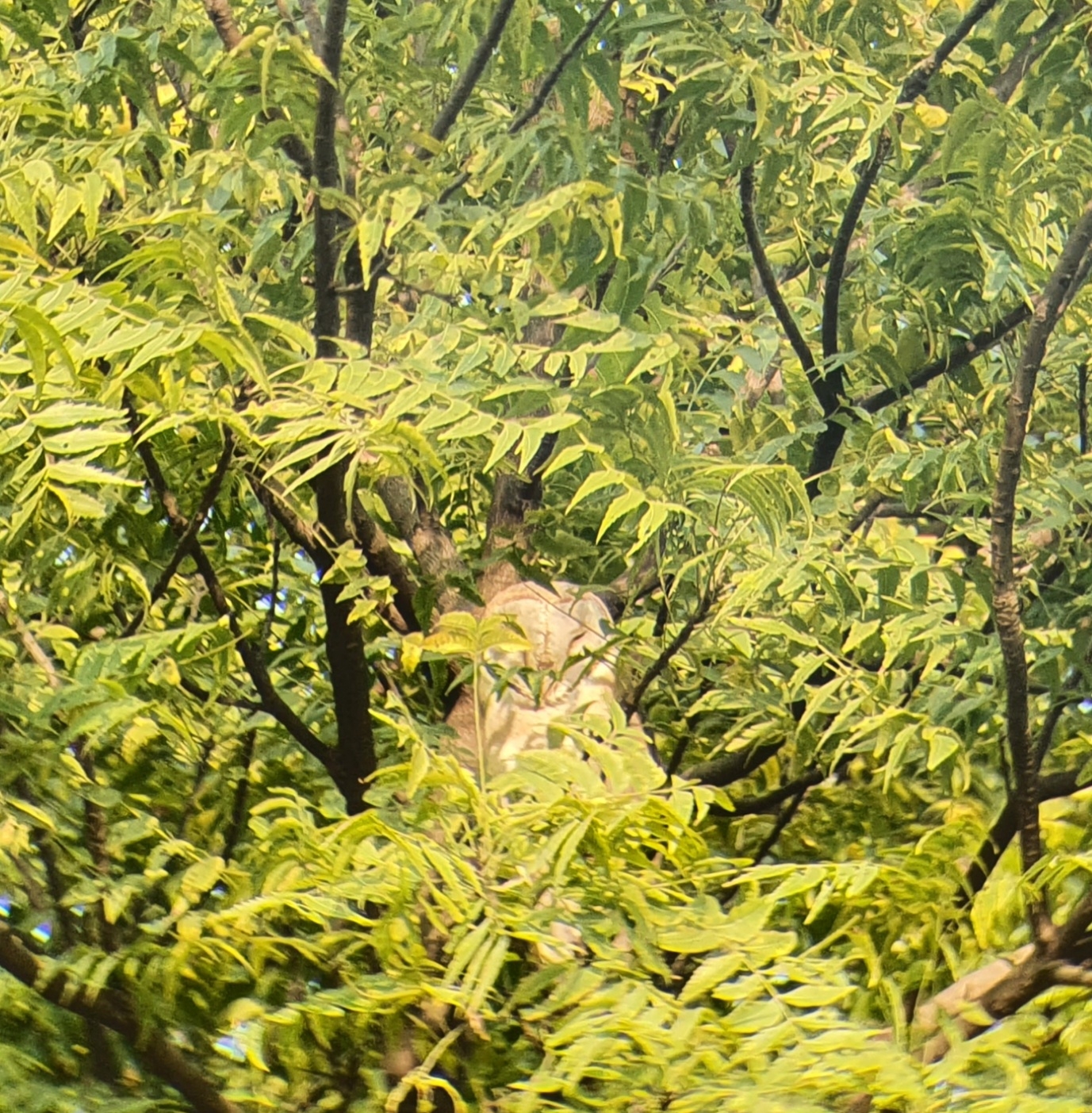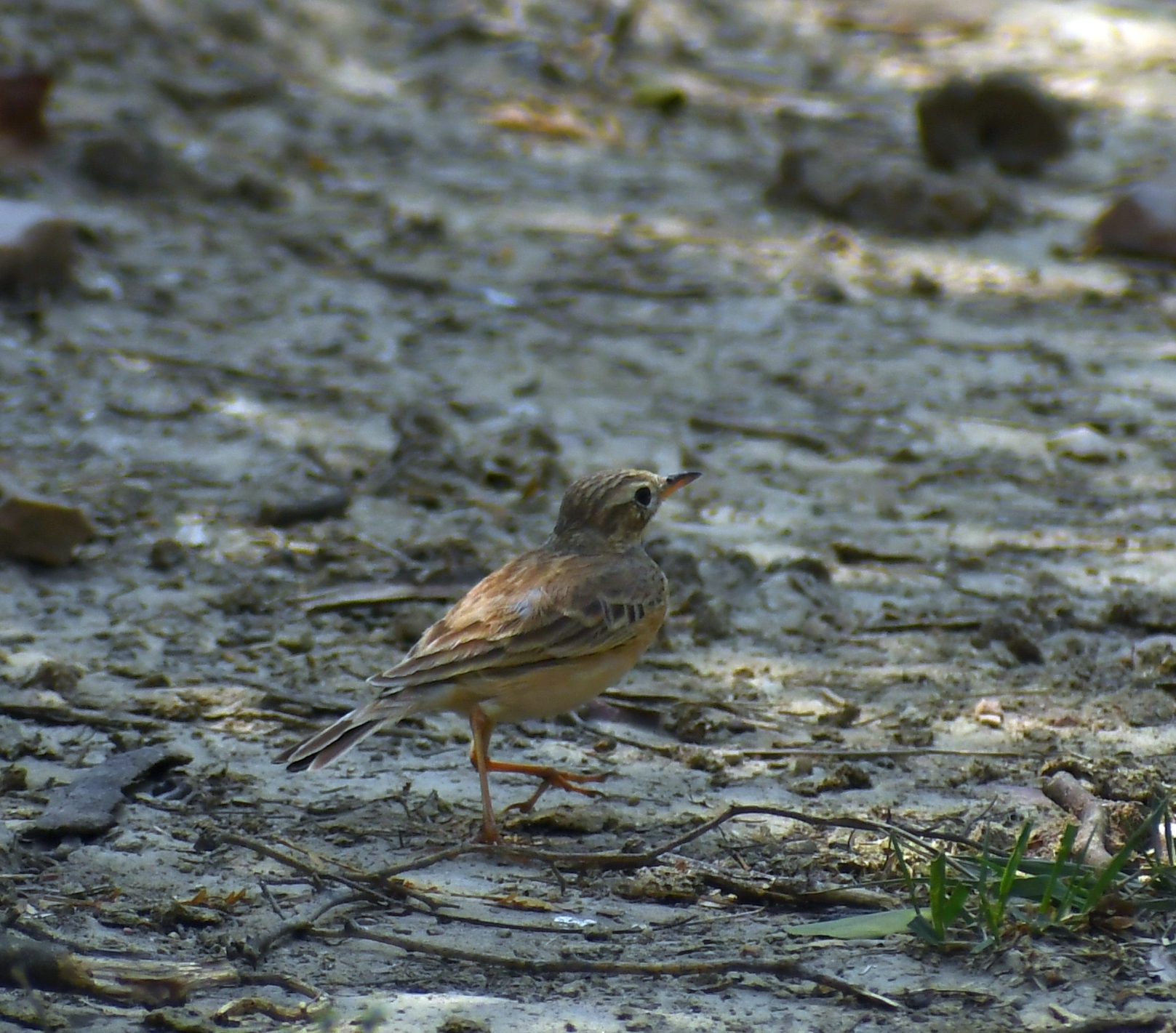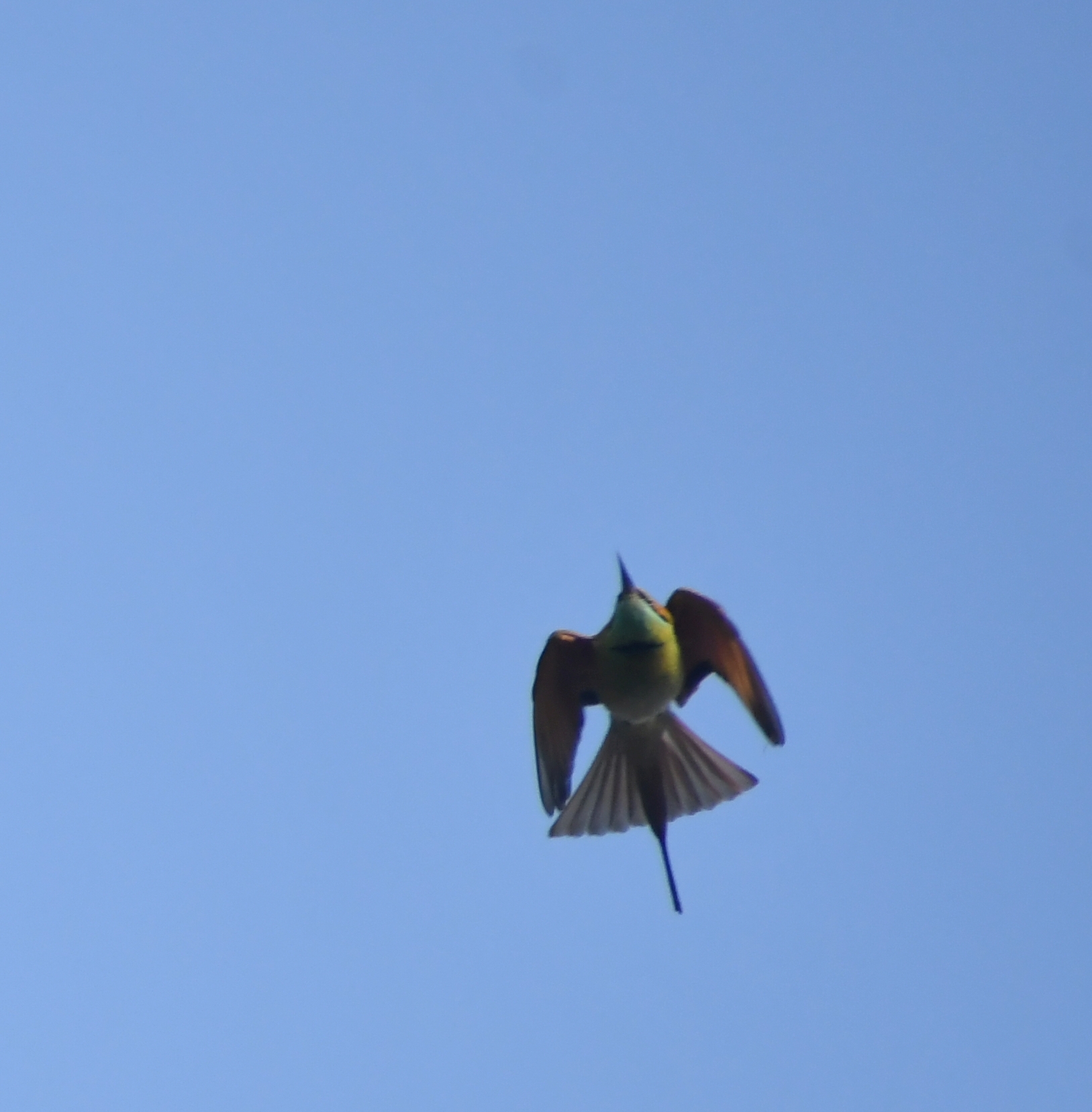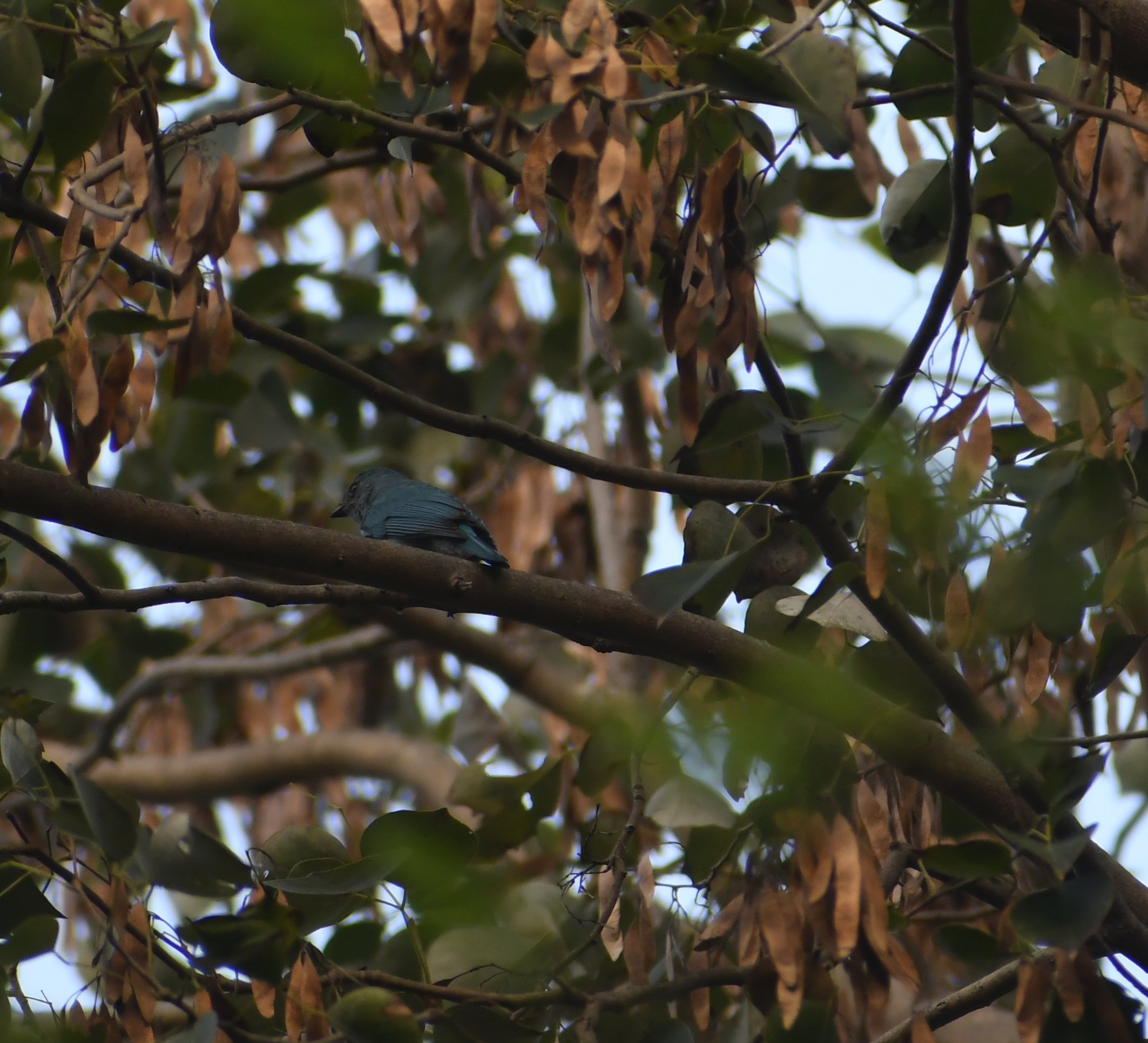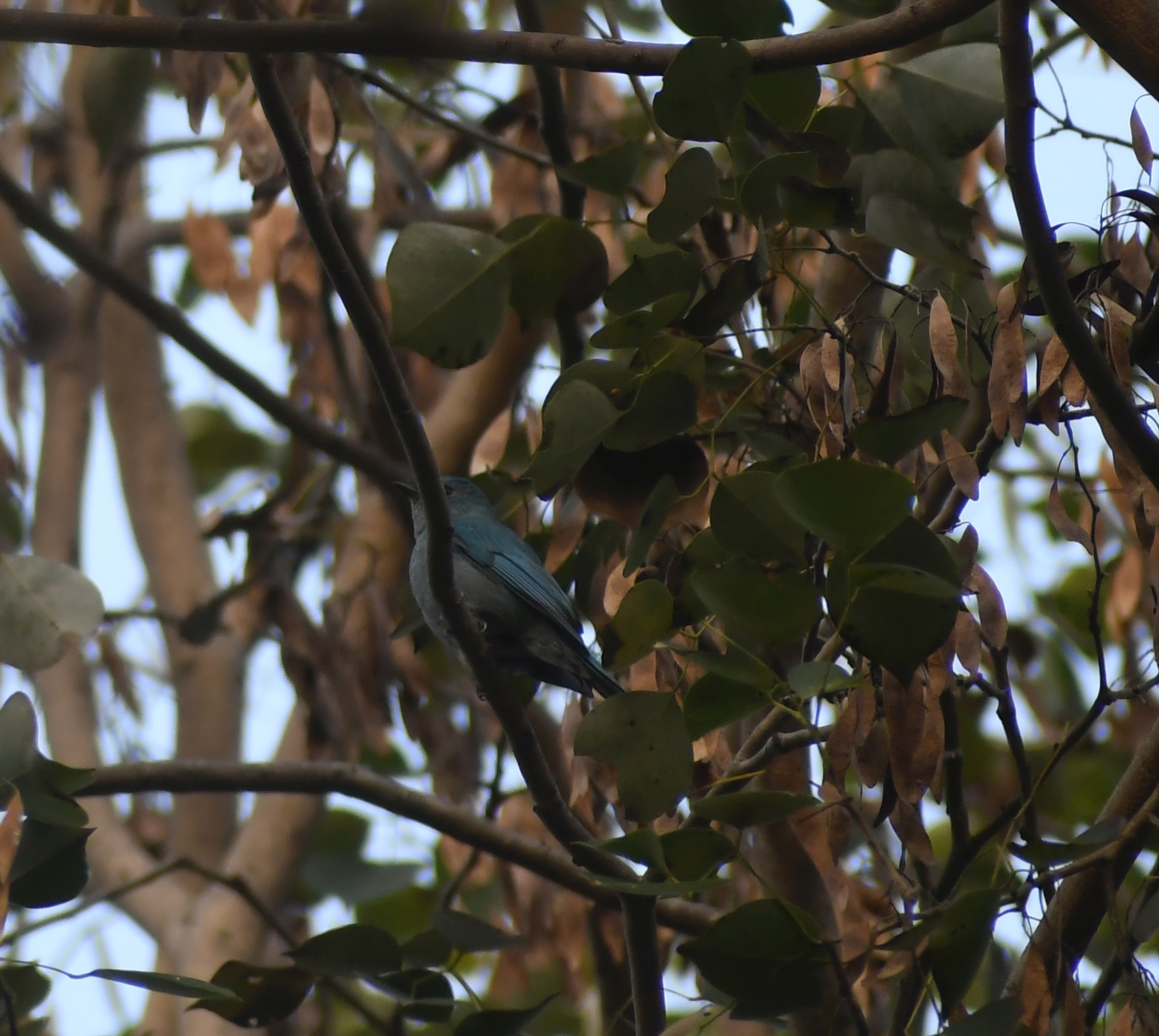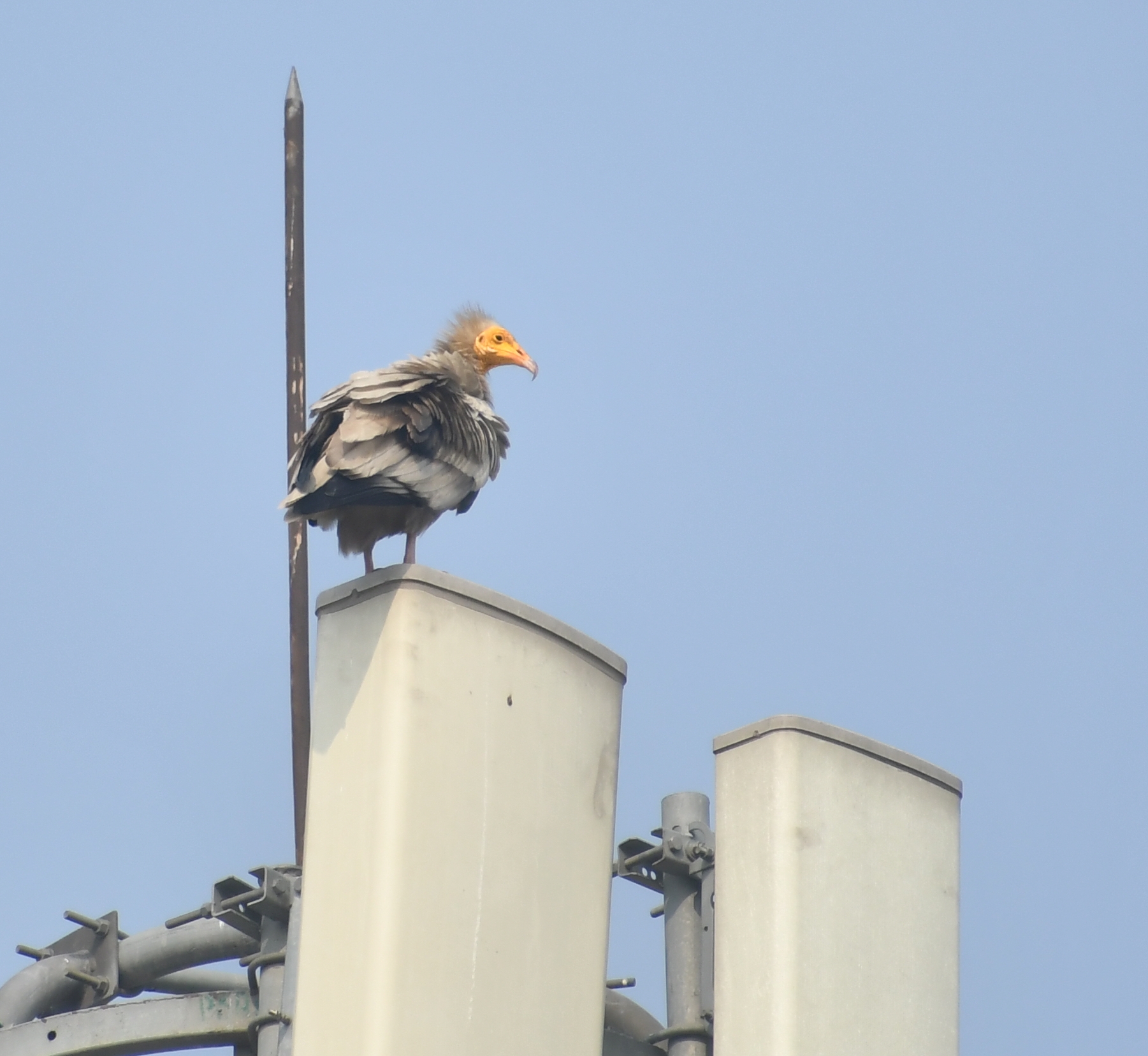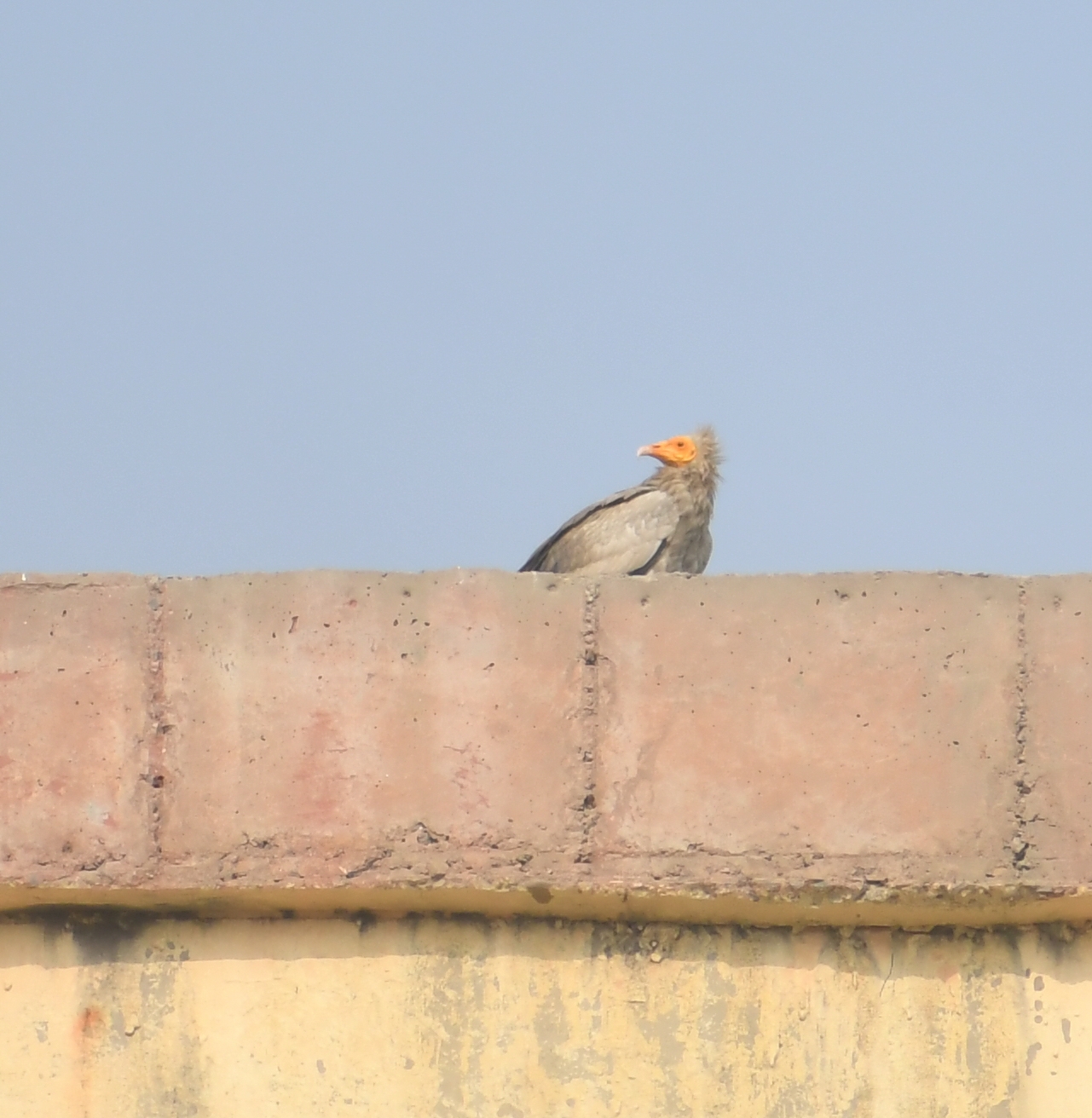
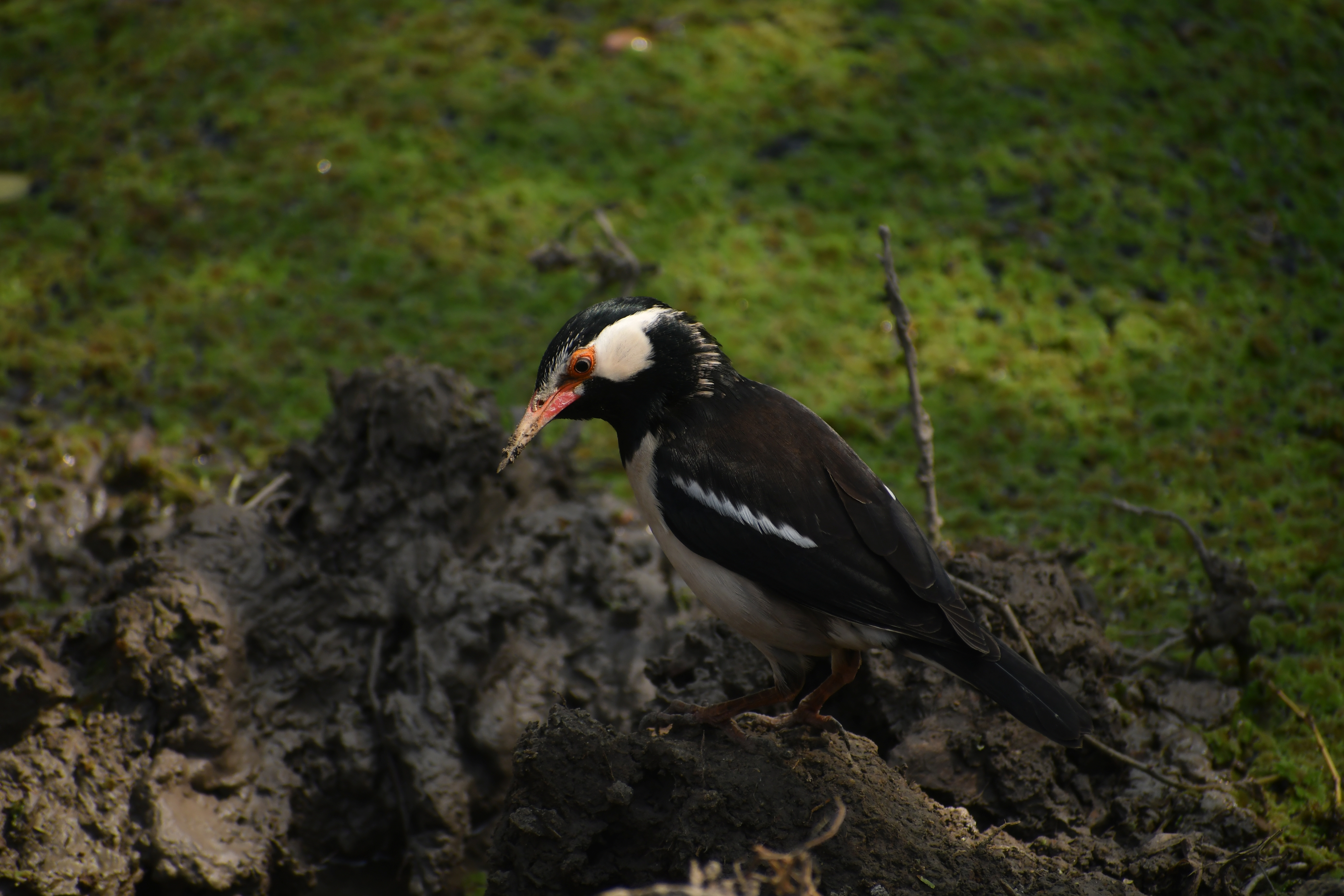
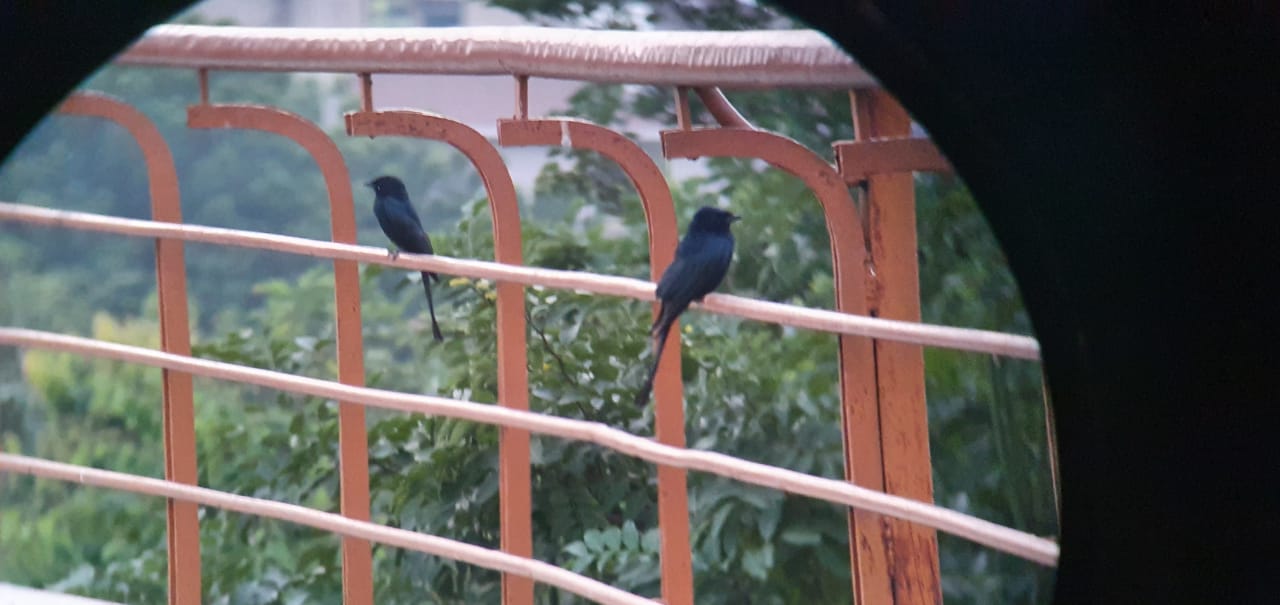
Another species of mynas that is perhaps less common than the myna itself. They have white patches on their heads and near their belly. I have always only seen them in pairs. Below is a picture of them atop the court lights in Hall 8 and a another close up.
Doyels (Magpie Robins)
We call this the smoke alarm bird. Its call is very similar to beeps of a smoke alarm. Another common hall resident seen near grass patches, especially next to small bushes. One of them especially likes the SAC gate in front of Hall-8. It comes and calls there late mornings almost every day. Fun fact, this is the national bird of Bangladesh. Below are a couple of pictures of it in and near Hall 8. Update: Doyels are very active now in the spring. Almost always visible in pairs, singing away.
Koels
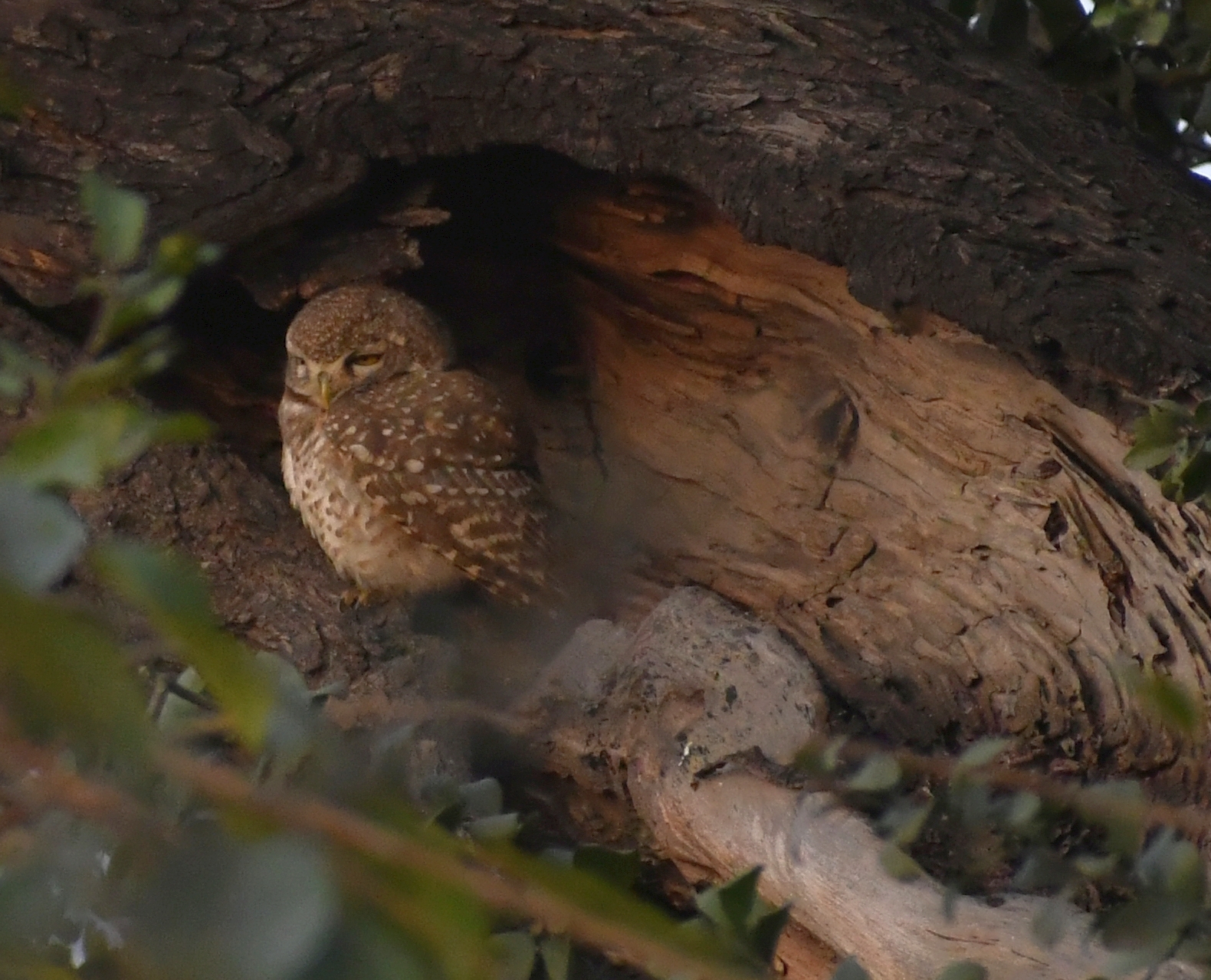
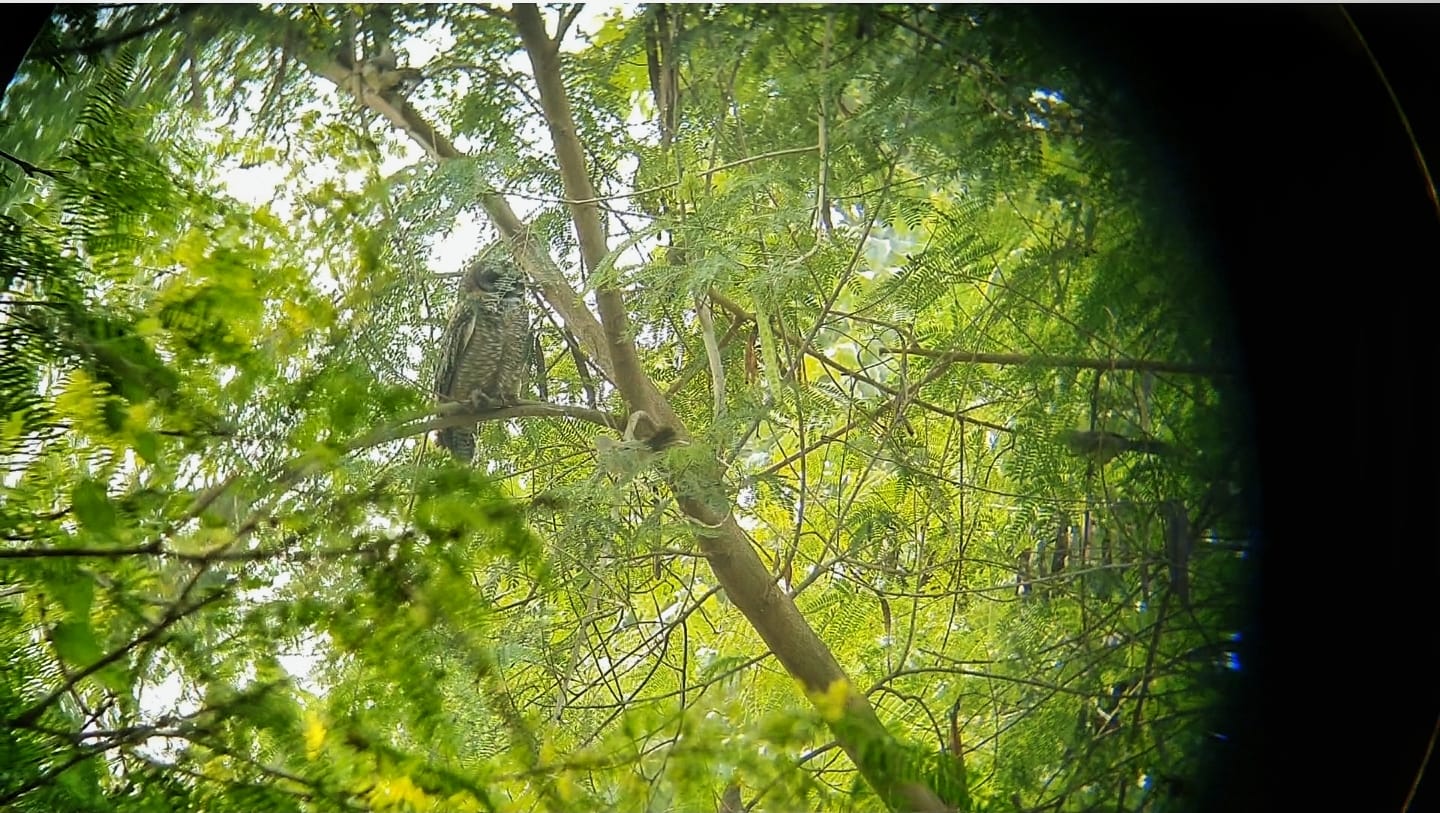
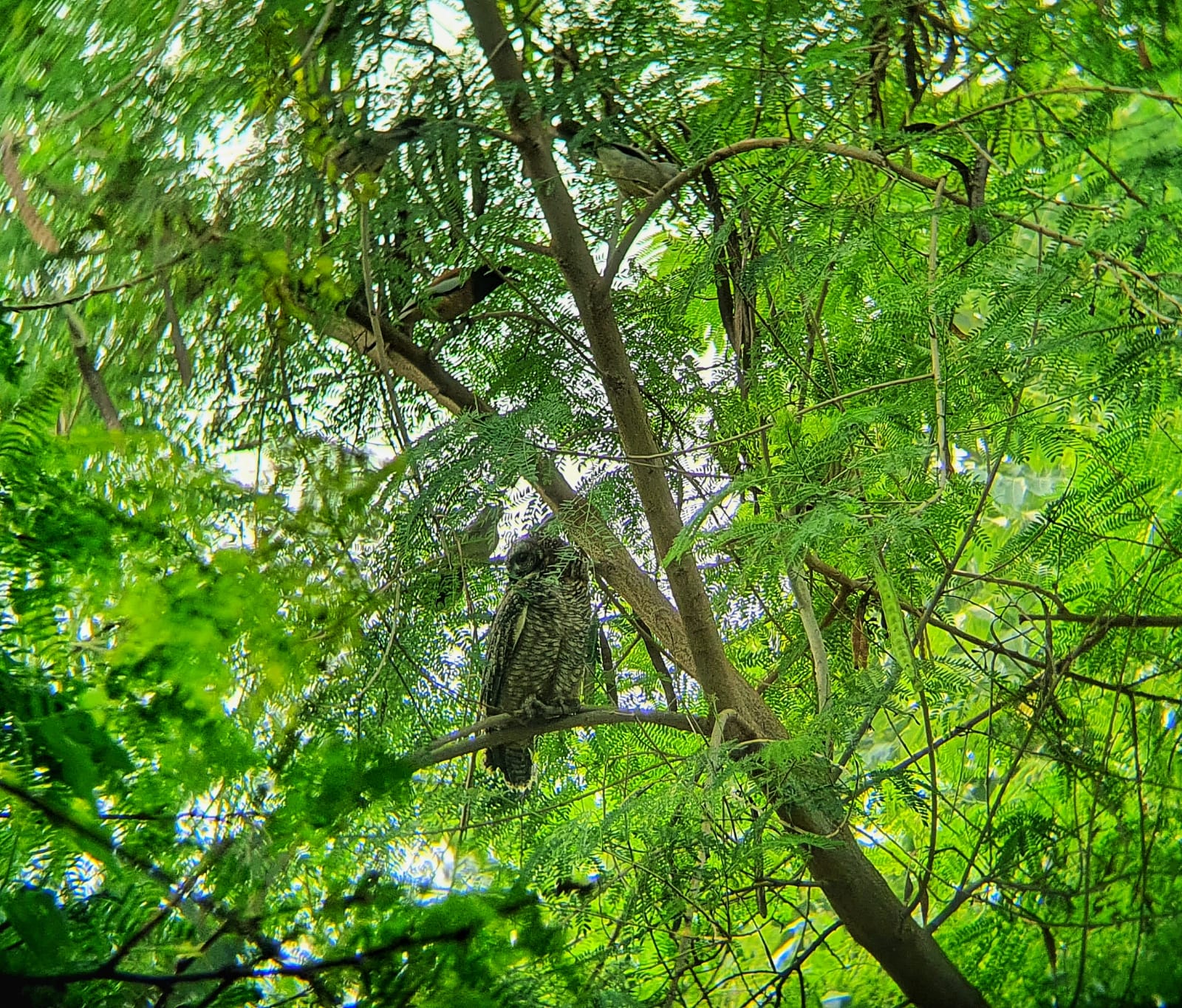
Koels were very active in the spring and now again throughout the summer. Every morning one can hear it's loud calls. Recently, we saw a pair together, awkwardly being third-wheeled by a spotted owlet. Koels have a very large sexual dimorphism in plumage, with the female having gray-white speckled and striped plumage whereas the male is jet black.
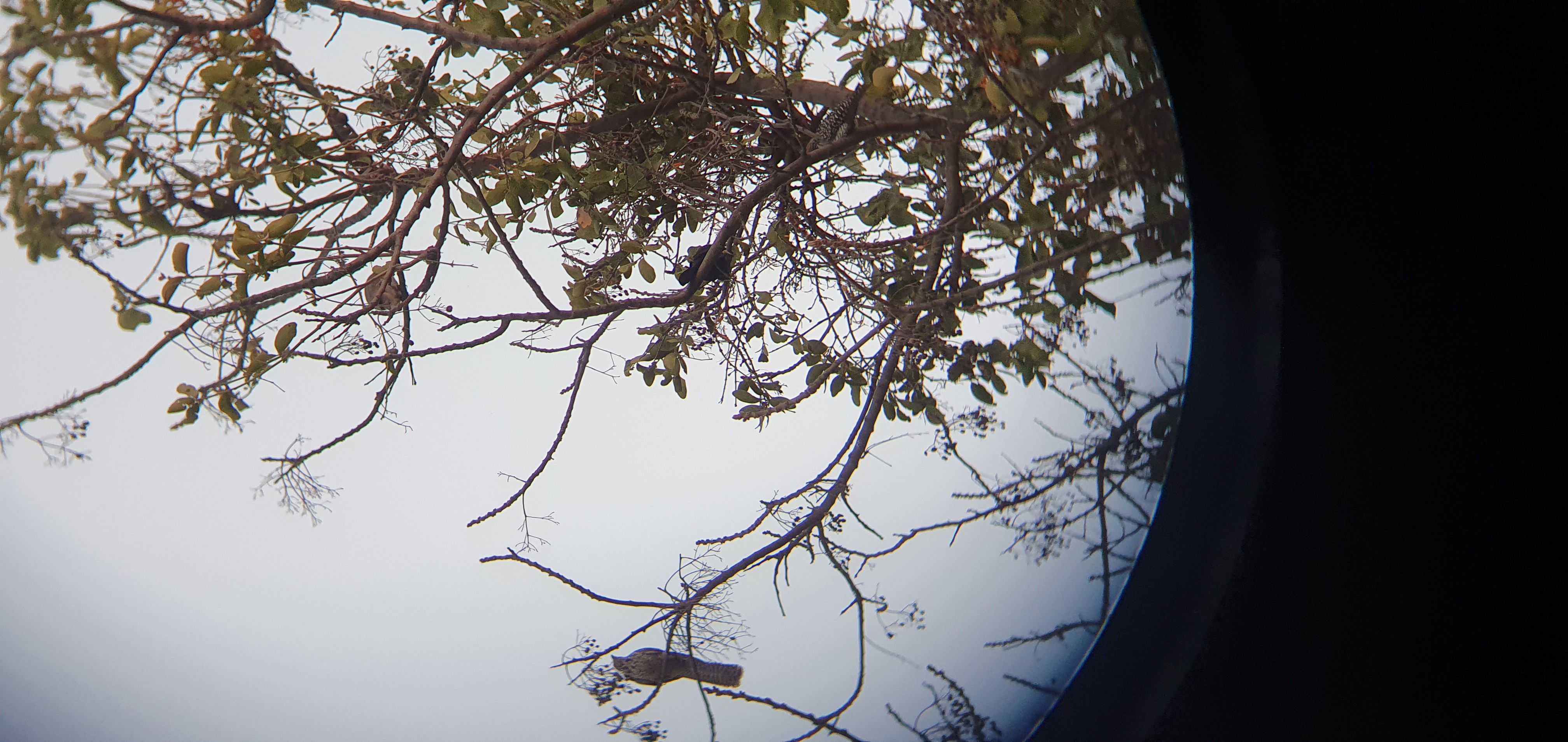
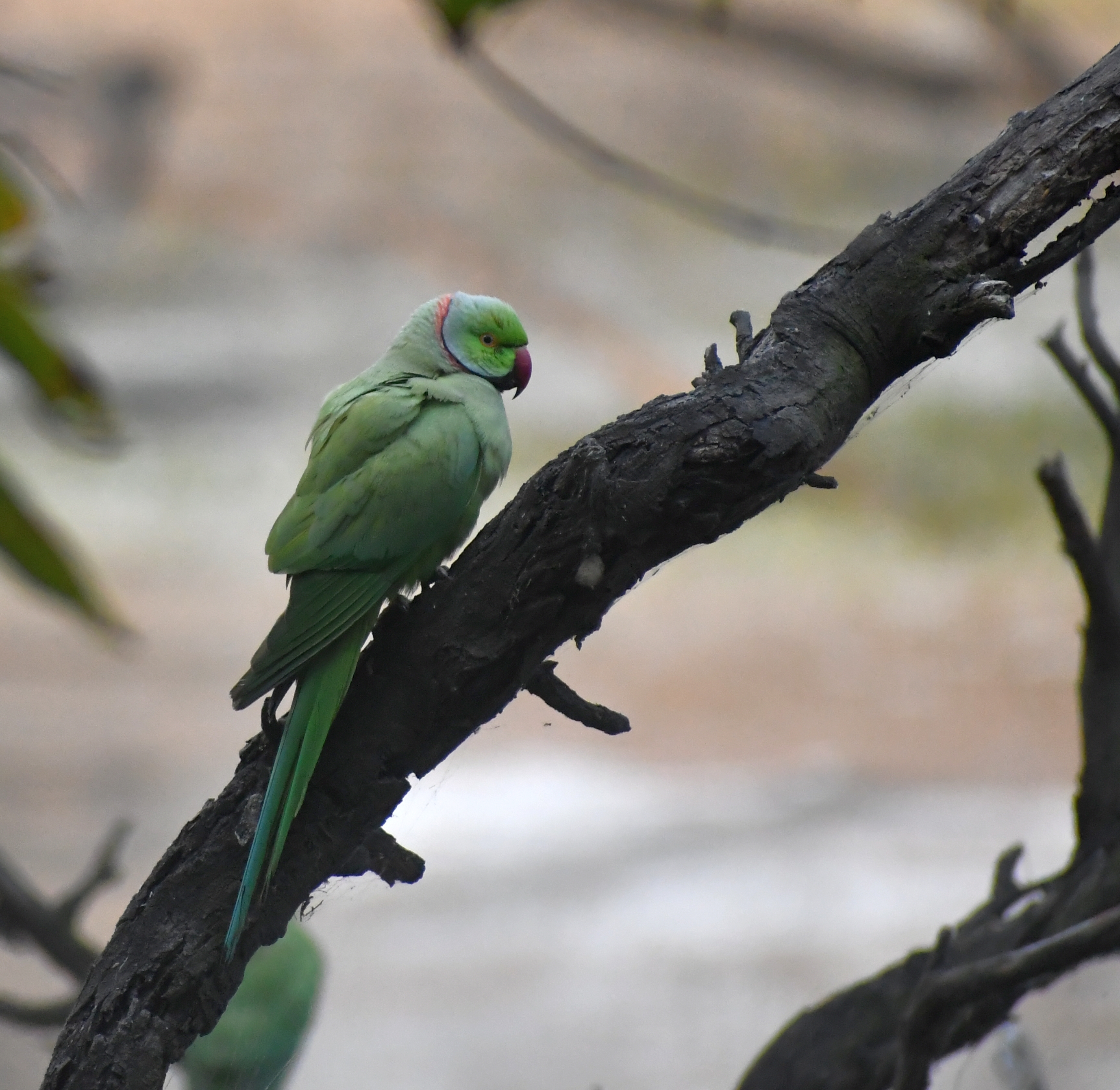
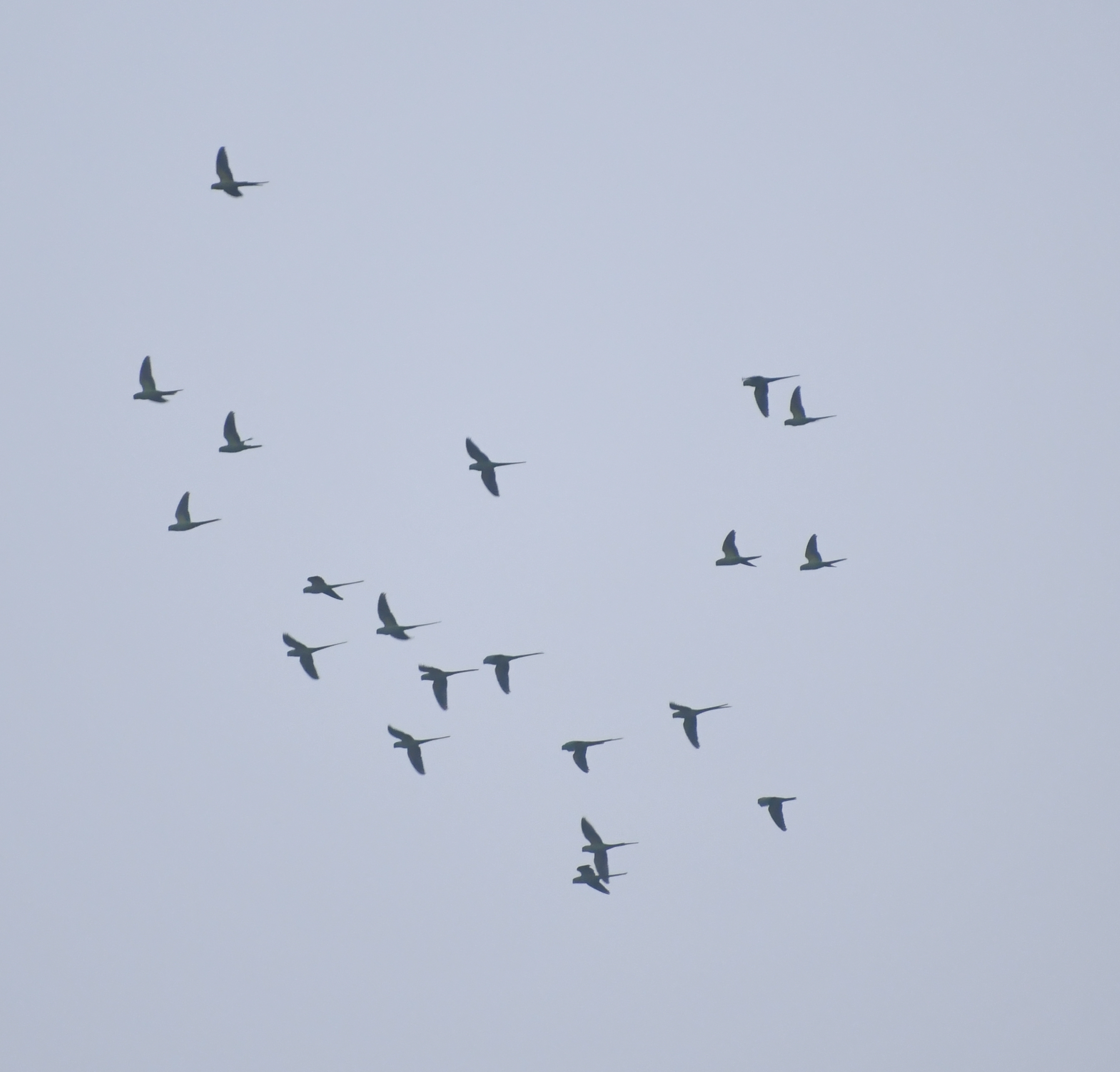
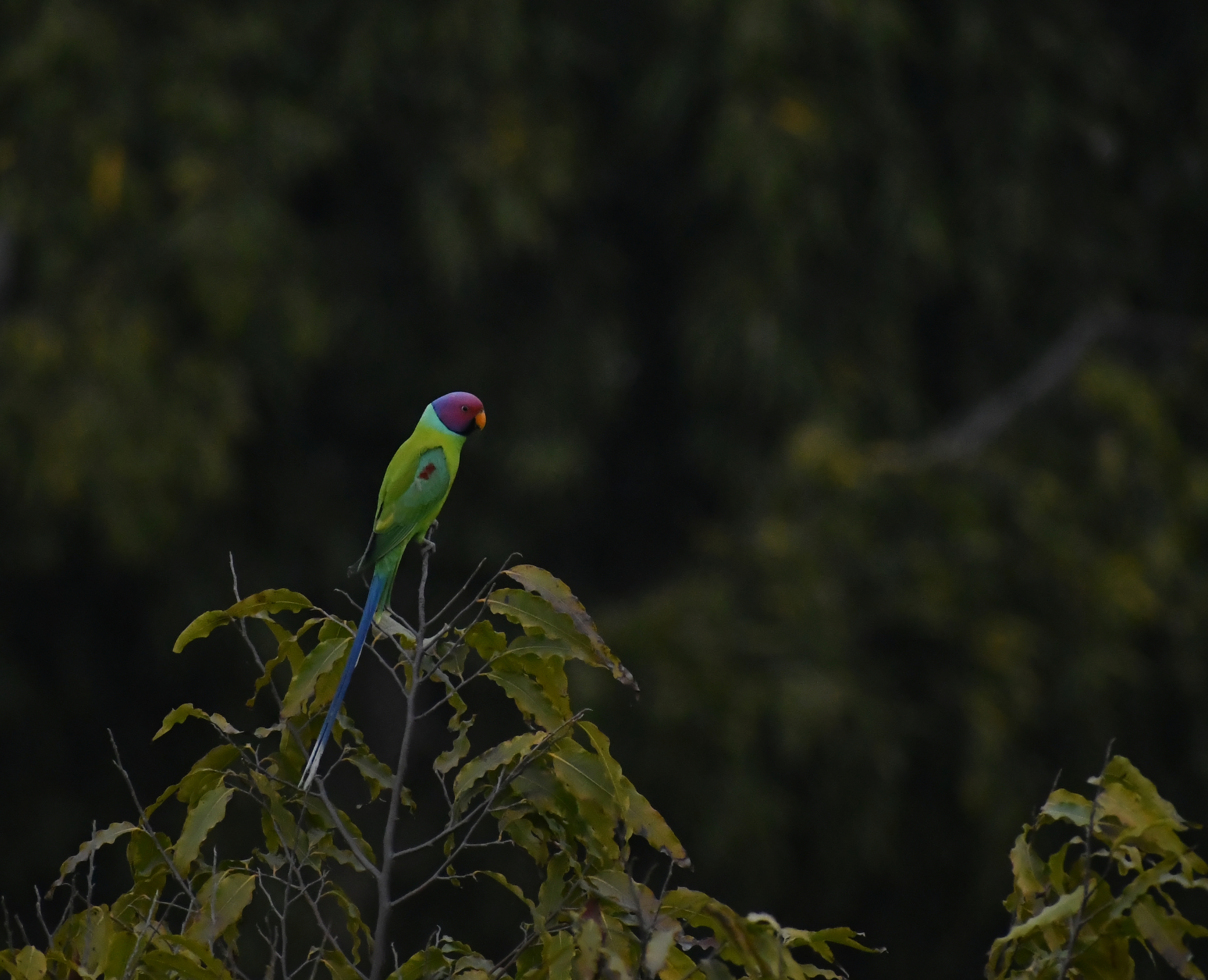
They have larger, redder beaks and a large read patch on their napes. These birds are experts at mimicking bird calls and even a few human words. If you associate parrots with being able to talk, you're probably thinking of alexandrine parakeets. Below is a picture of it atop our favourite tree stump at the airstrip.
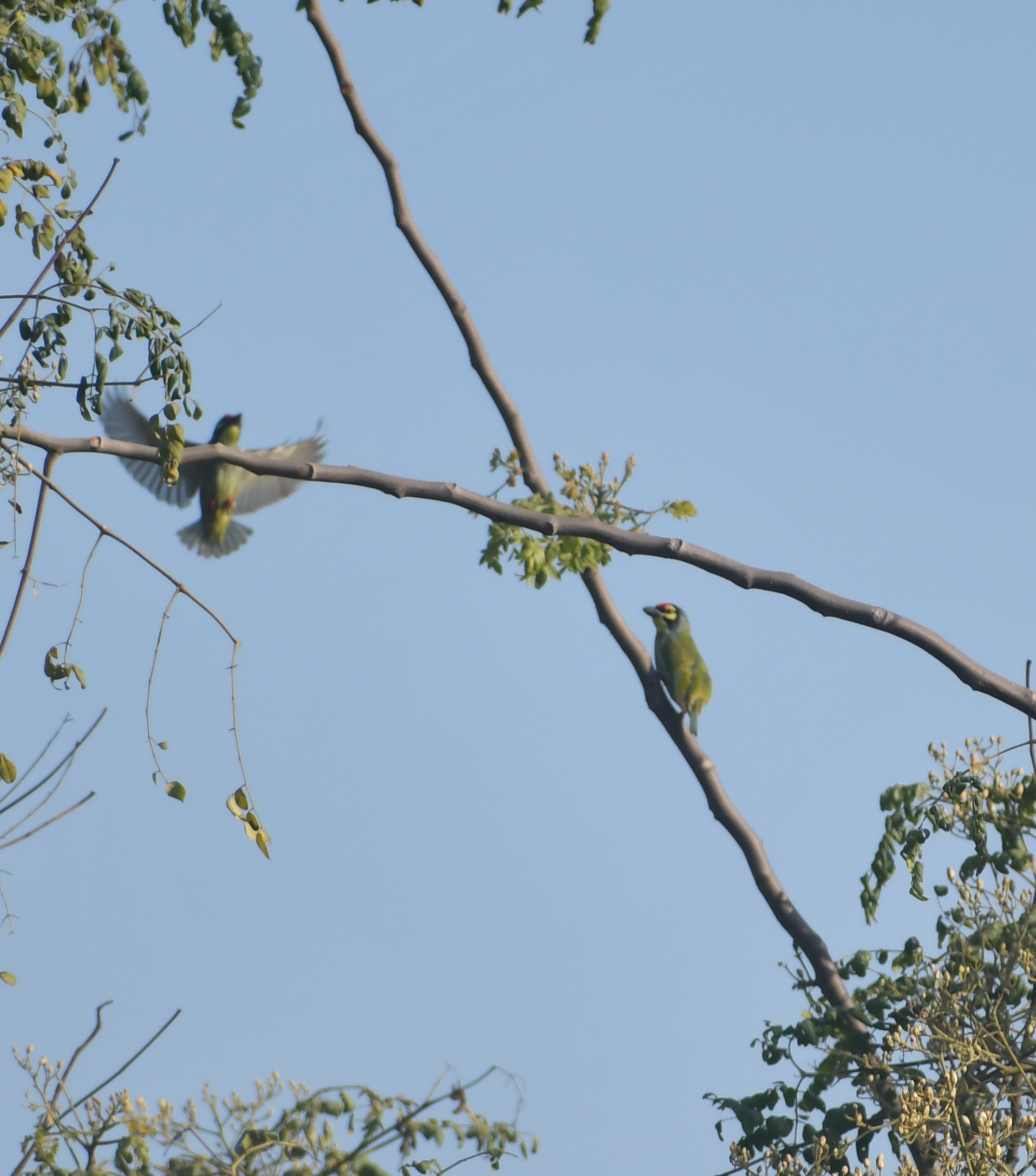
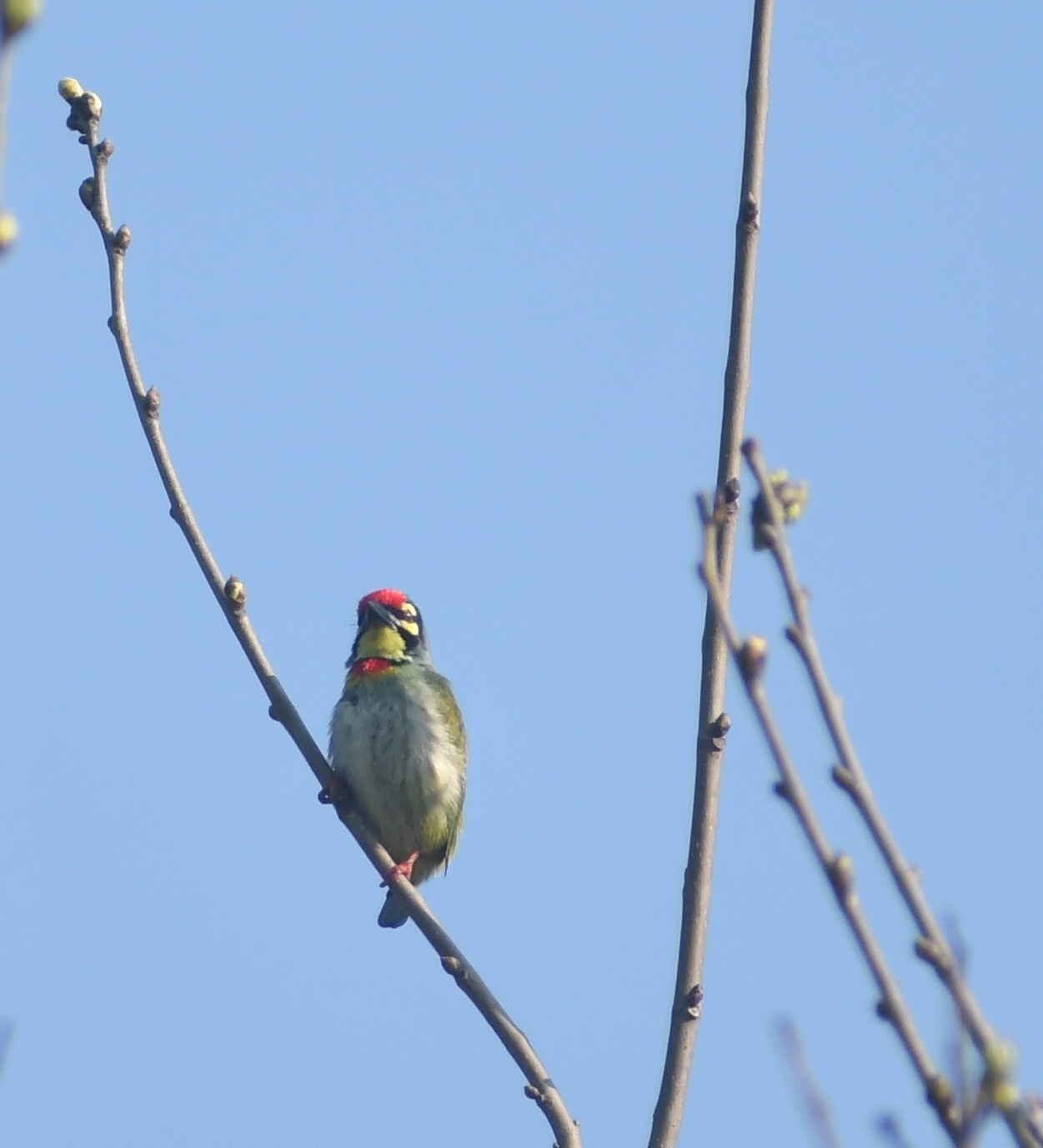
The English and colloquial name of this bird captures two of its most essential characteristics. It gets the name 'coppersmith' from its call. A periodic tok-tok-tok-tok as if someone was hammering iron. Basant Bawdi is spring crazy. We saw this bird everywhere on campus just after winter ended. Calling away all day, everywhere. I remember telling RM that I hear birds playing TT no matter where we go. After a fortnight of going spring crazy ourselves, did we finally tie the call to this bird. You have to see this bird calling. It sways left to right between each call, stopping in the middle to crouch in. It is also one of the most fashionable birds on campus. Sporting a bright green plumage and a striking red forehead crest.
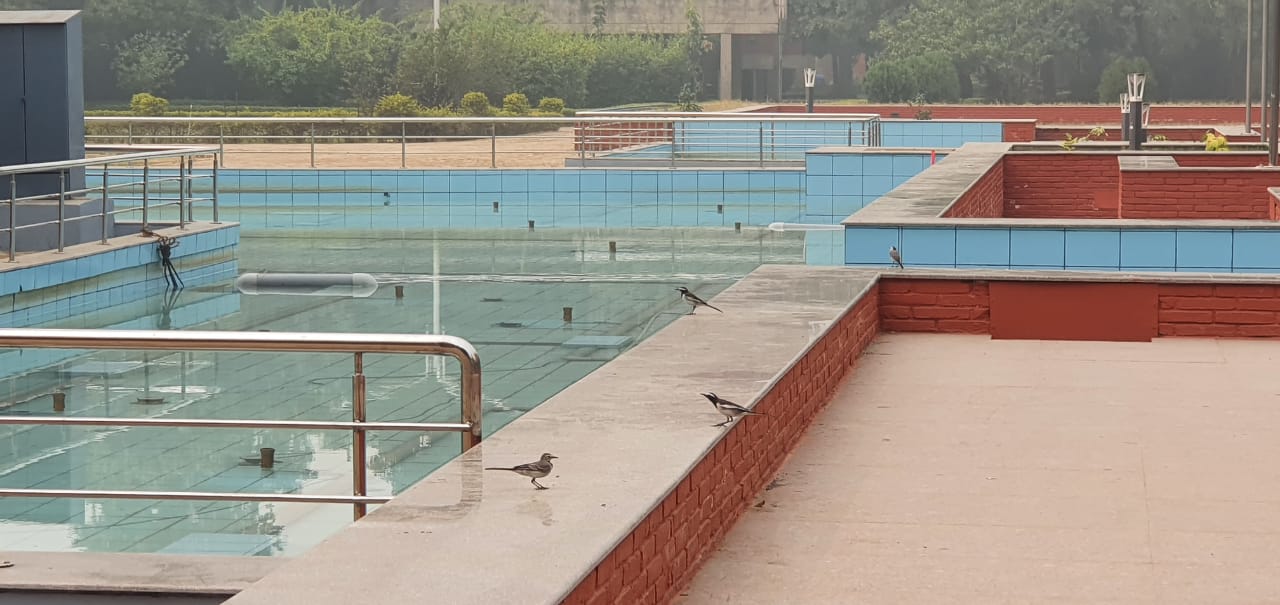
These birds are a spectacle of the winter on campus. Swathes of them occupy fields, fountain areas, pool side and gardens on campus. They are named so for their persistent tail-wagging behaviour. During the winters we saw them nearly everywhere. The white and the white browed wagtails are somewhat easier to spot. Whereas the yellow and citrine wagtails are seen less often.

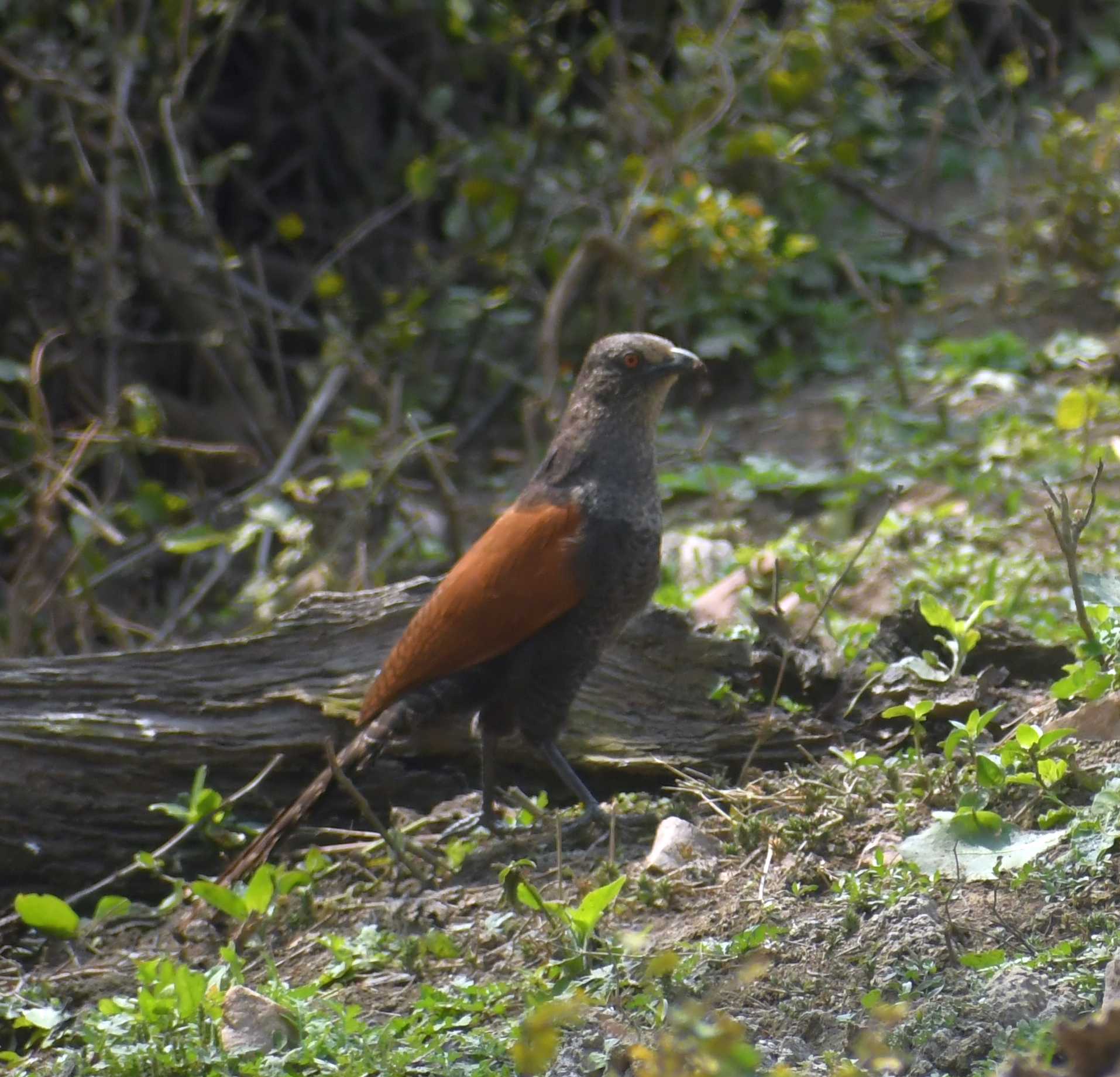
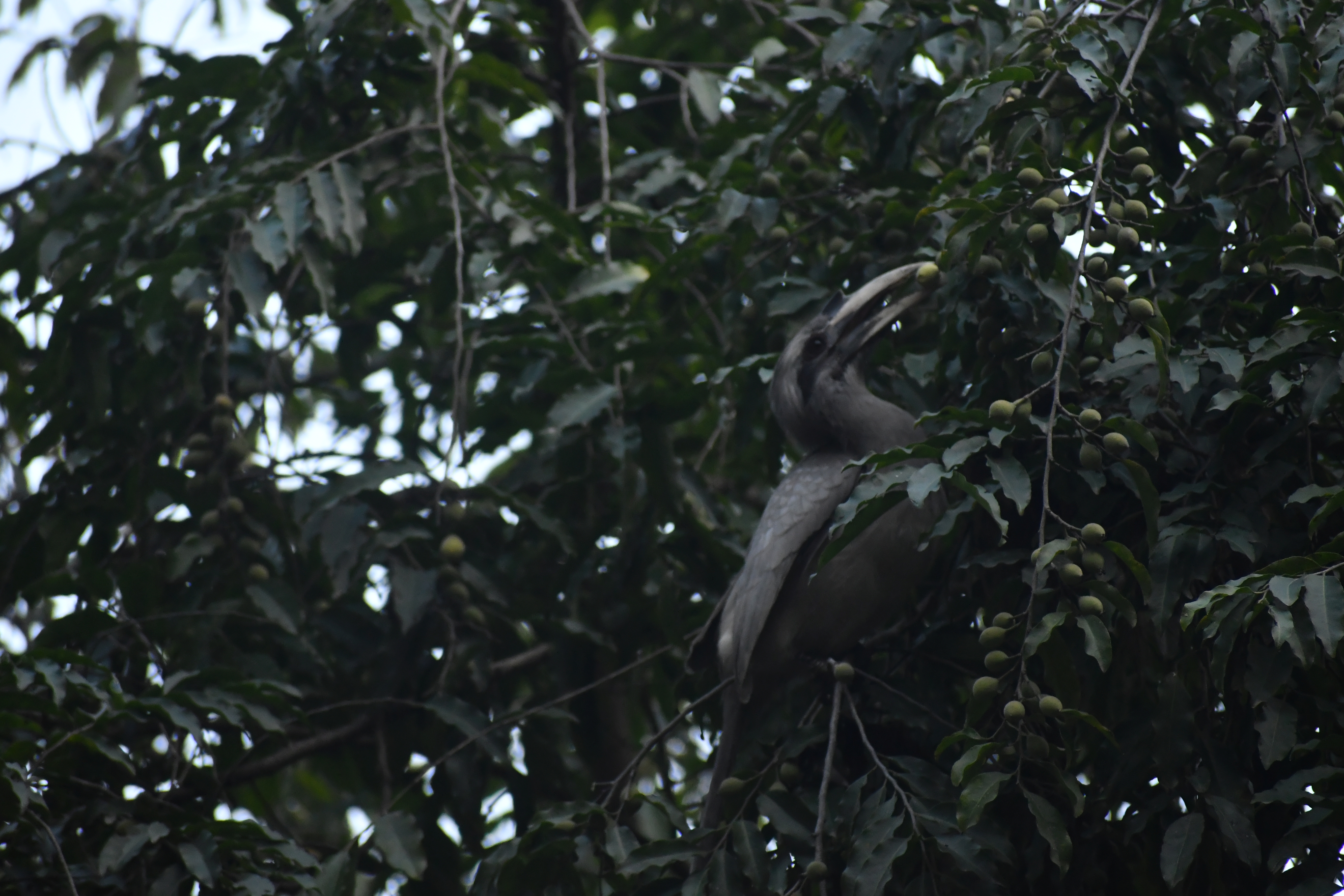
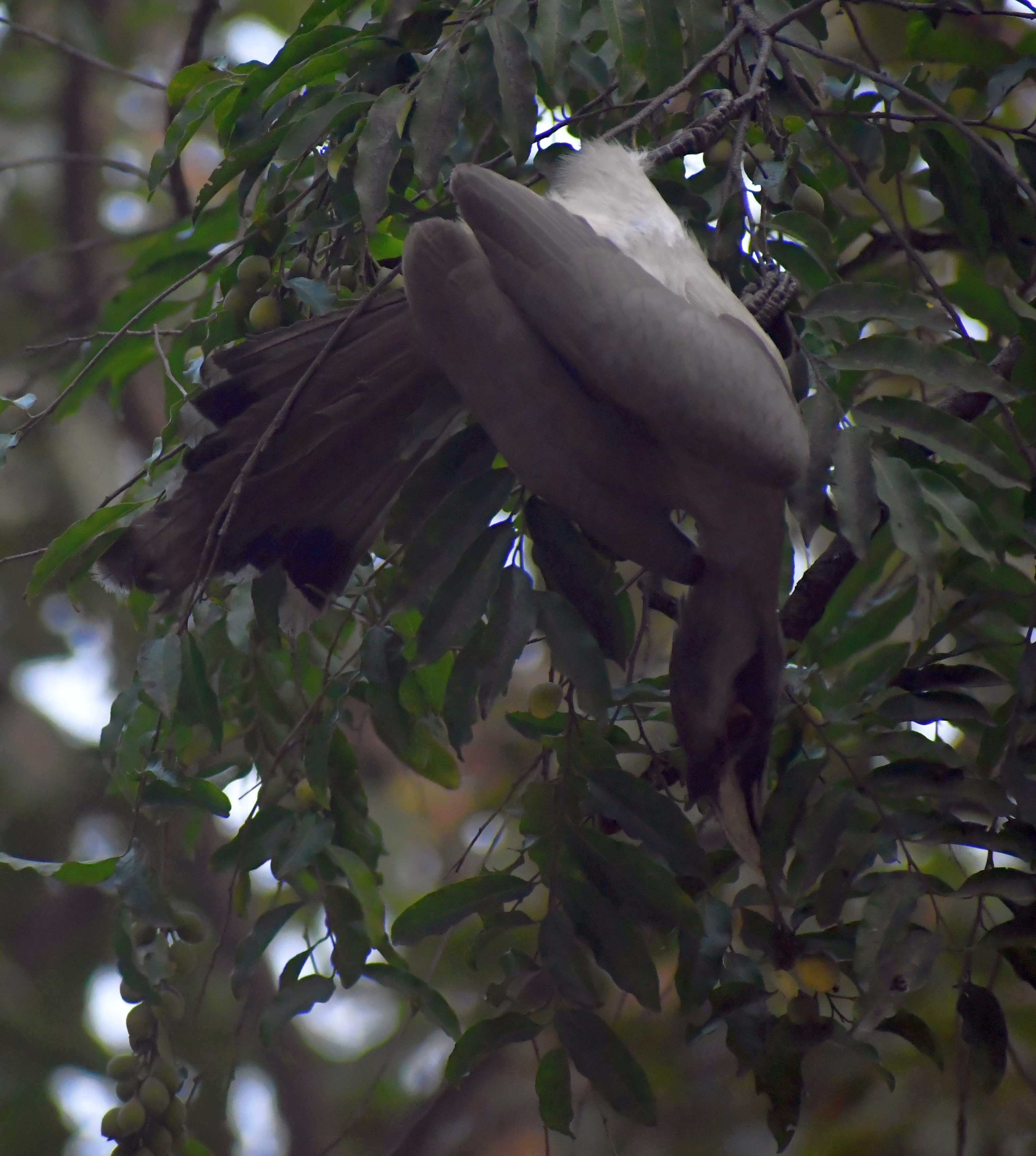
Another bird with spectacular colours and flight. In flight, its white plumage makes a very distinctive V, similar to that of the lapwing. Also, a wide array of calls. Their different calls had initially fooled us into thinking we were about to see a different bird, each time surprised to find it singing. From a crow like call, to a bell like ko-ende-rink, to a clock-bird like periodic koo-koo, this bird has it all. We've seen this bird munching on berries, pulling out insects from the bark of trees and even feasting on a bhutta left behind. As you will see, treepies are also excellent community members, often indulging in mobbing.
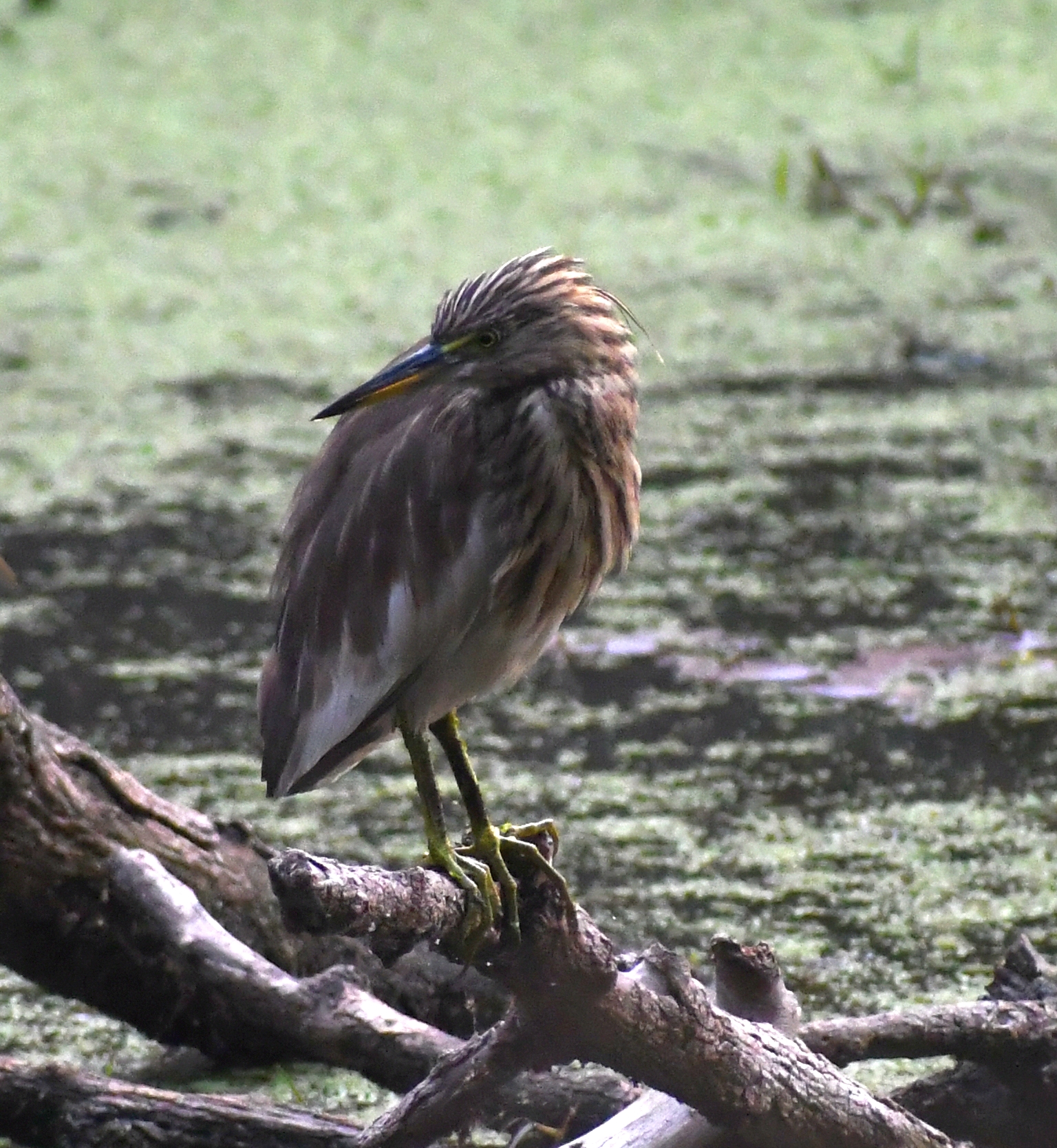
Common Geese
The oxidation pond has about a dozen pet geese. On the weekends, families with small children are a common sight at the pond. They often feed them kurumura (rice puffs). Sometimes their trumpeting does frighten kids though.

This bird has been our desk mate at work for more than a semester now. Every other day just before noon we see it perch on the tallest branch of the barren tree near the airstrip. This branch is directly visible from the window at the desk RM and I share. From our desks itself, we have seen it preening, drying its feathers on a rainy day, roosting or just chilling out. We don't know where it comes from or where it goes. But seeing it there makes us a little cheerier and smile.

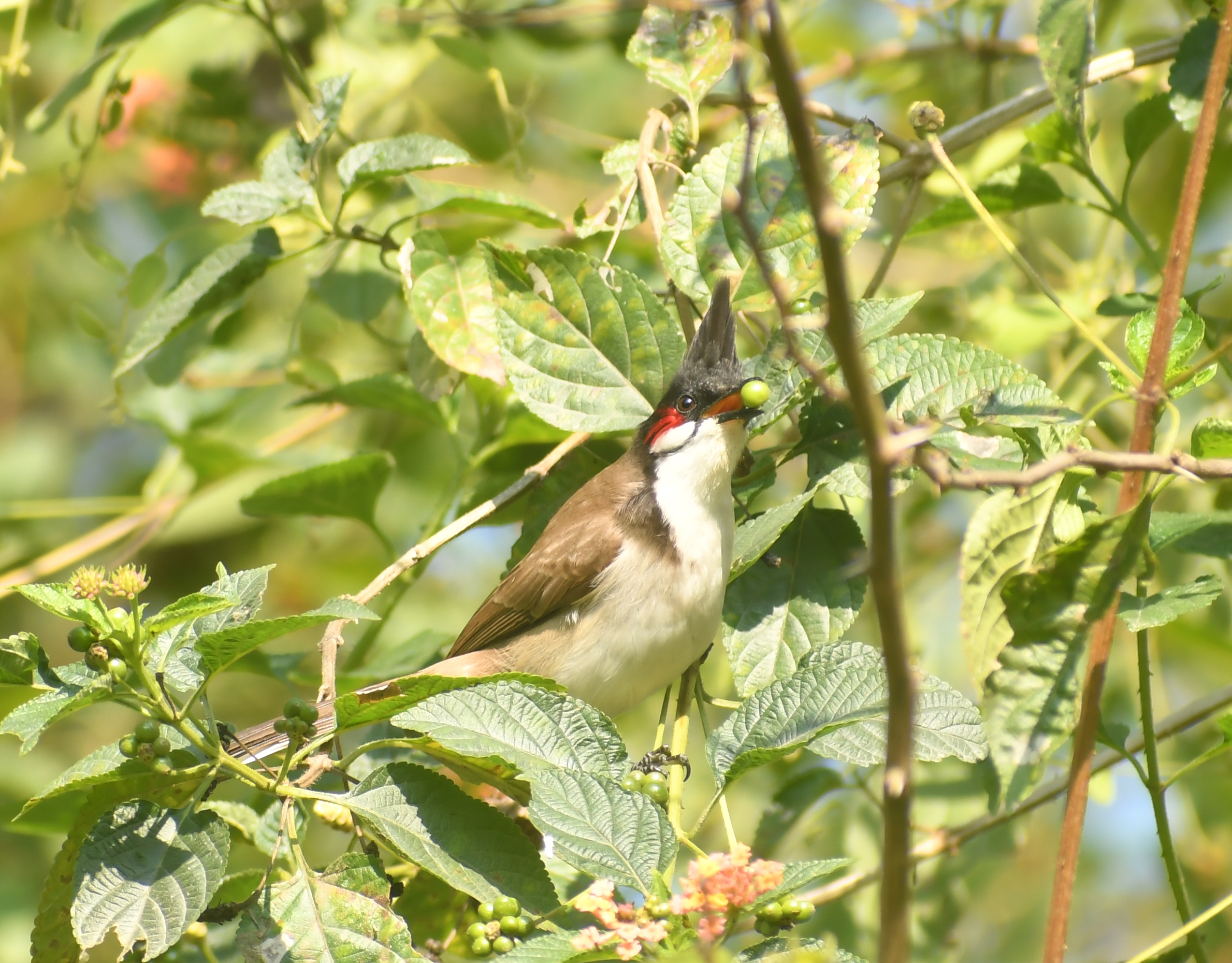
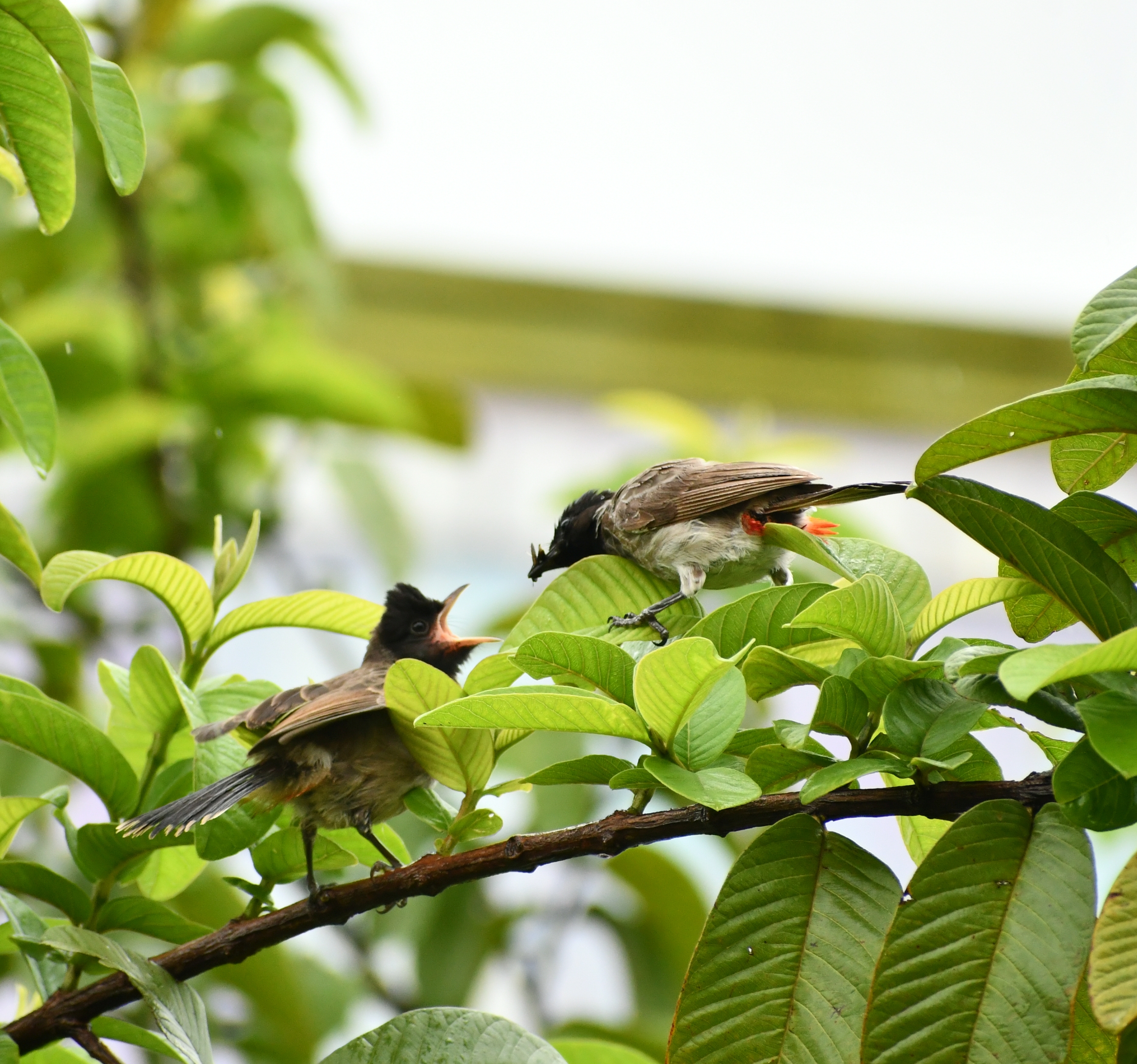
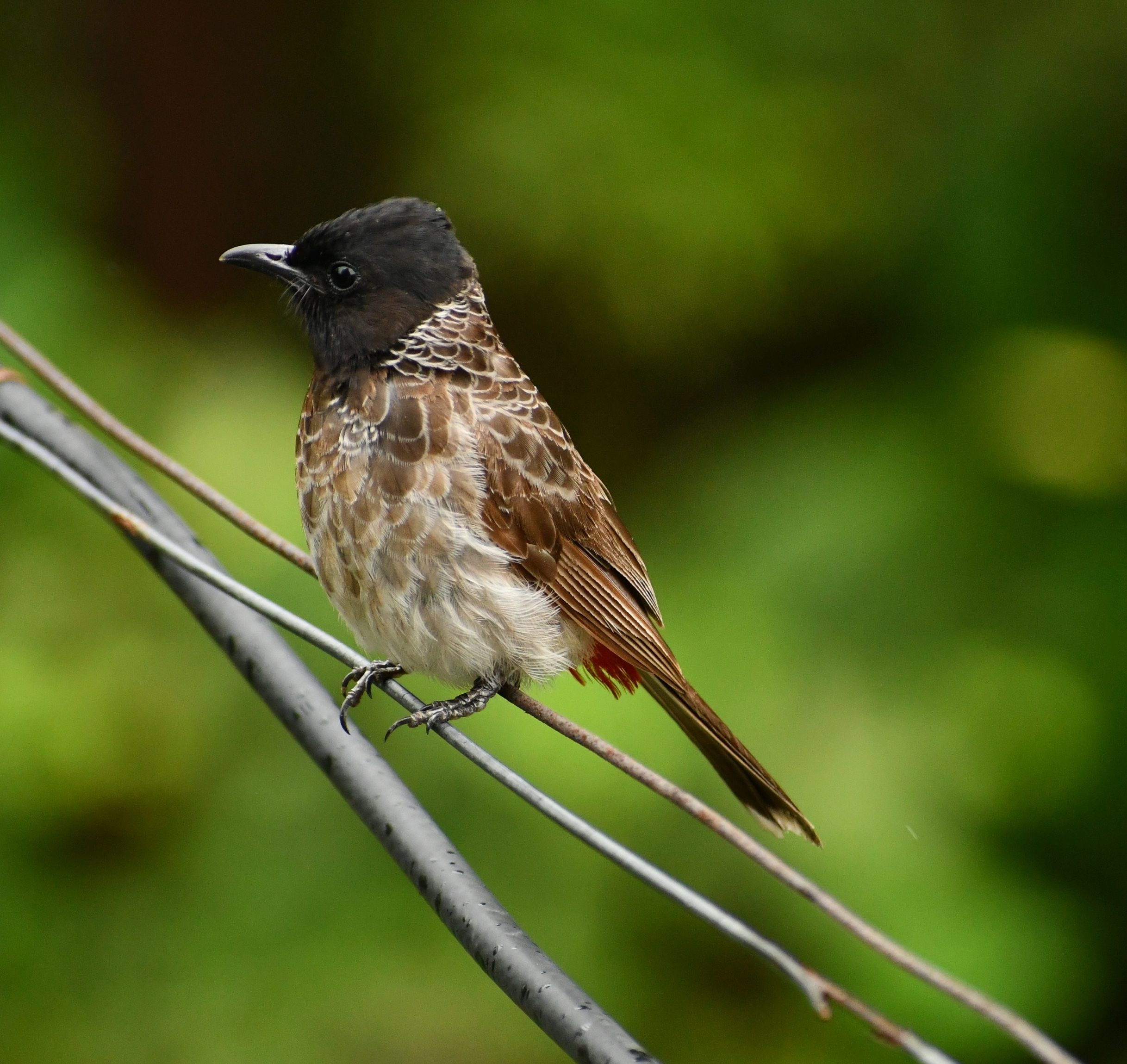
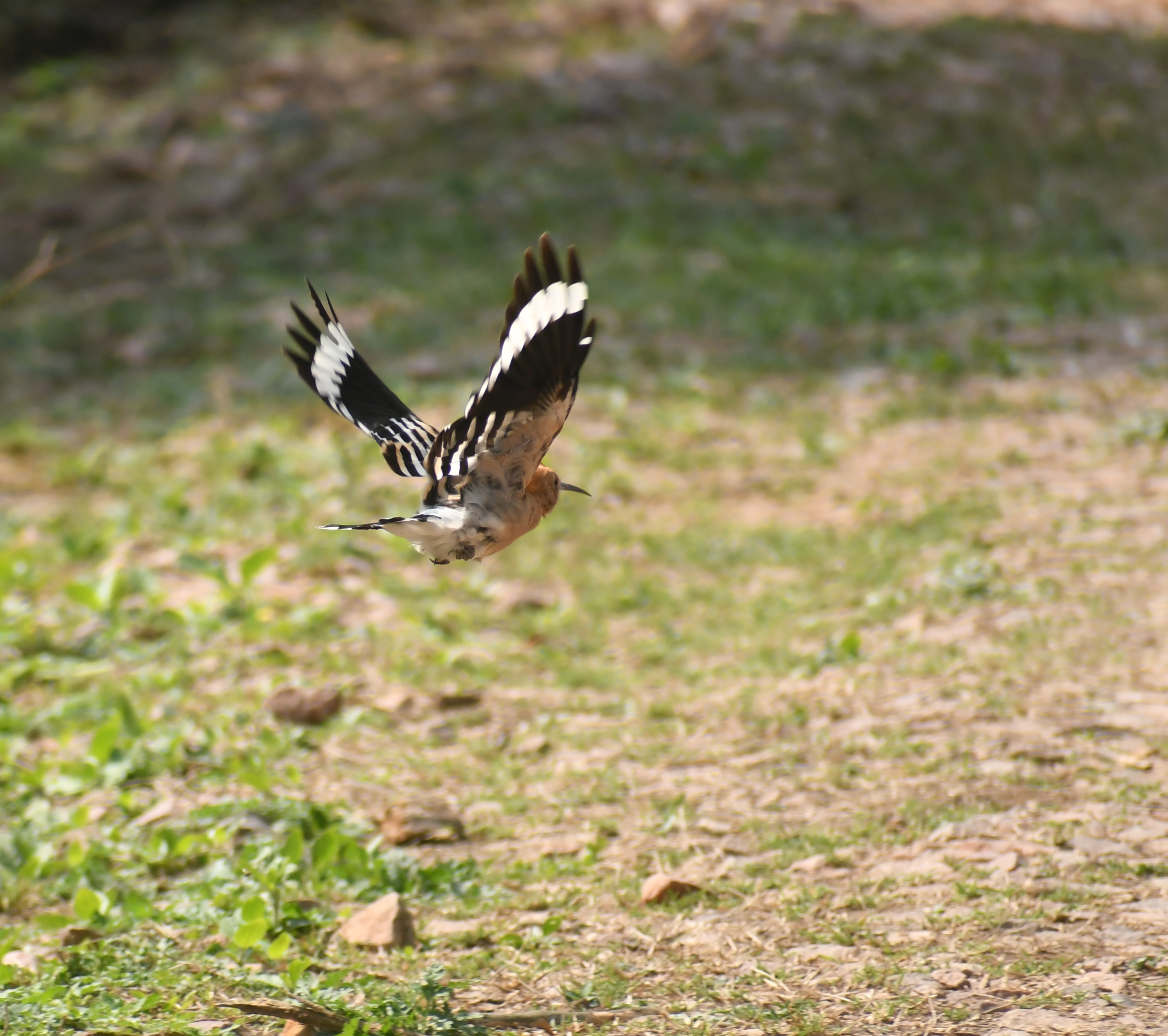
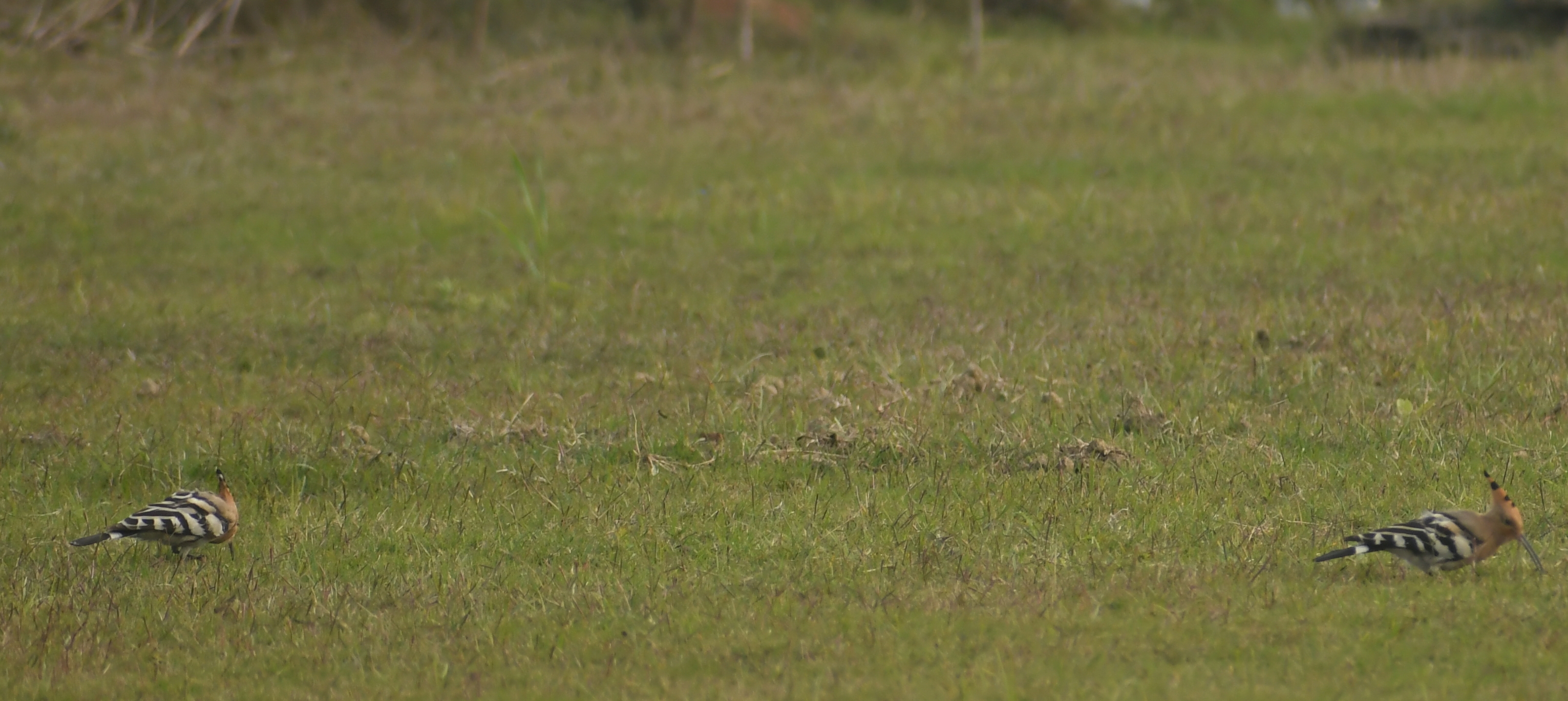
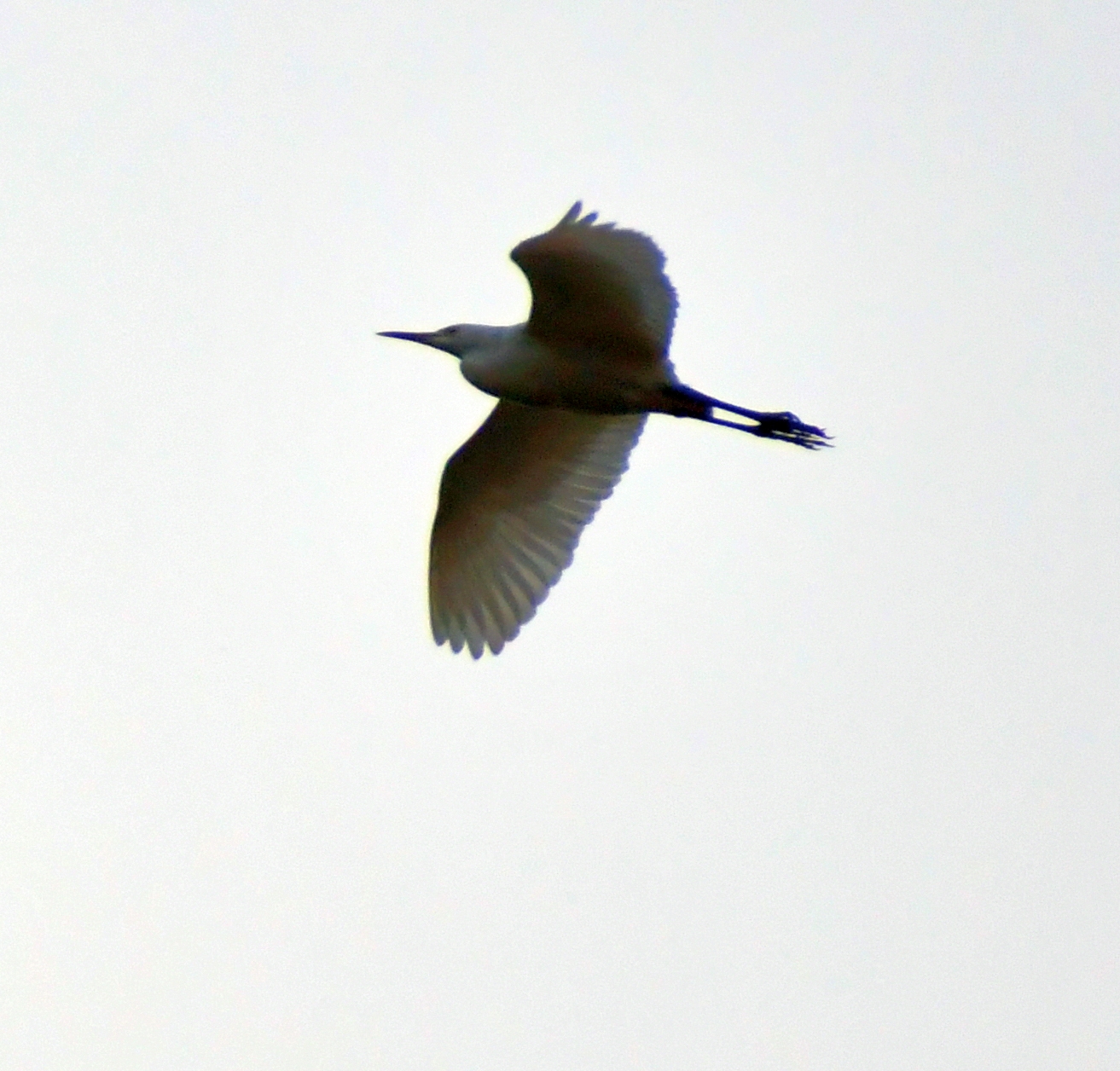
Little, intermediate and greater cattle egrets are all often sighted on campus. During monsoons large flocks of them can be seen on the grounds. Though several of them are visitors throughout the year. Another patient forager on campus.

Egrets
Kites
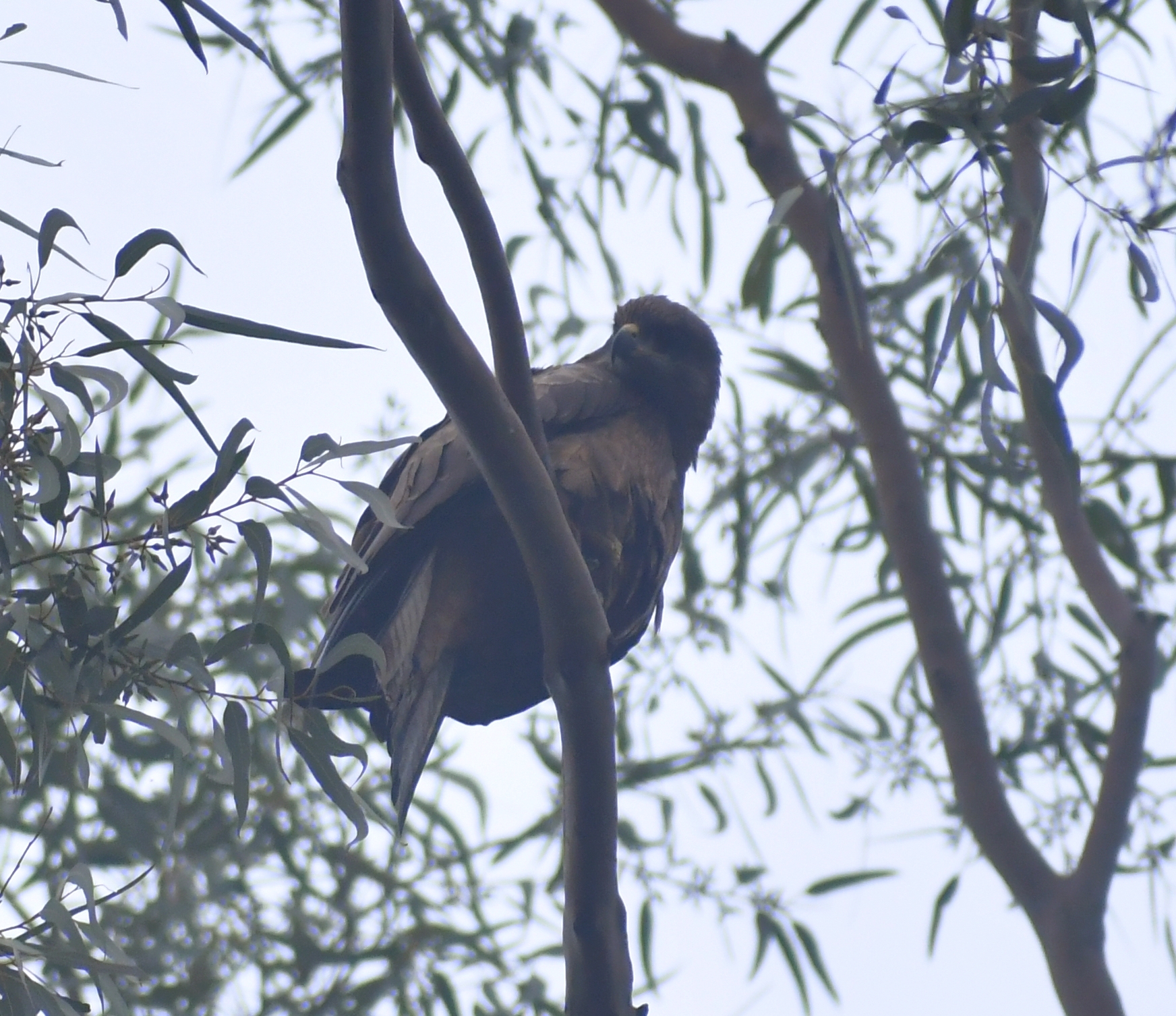
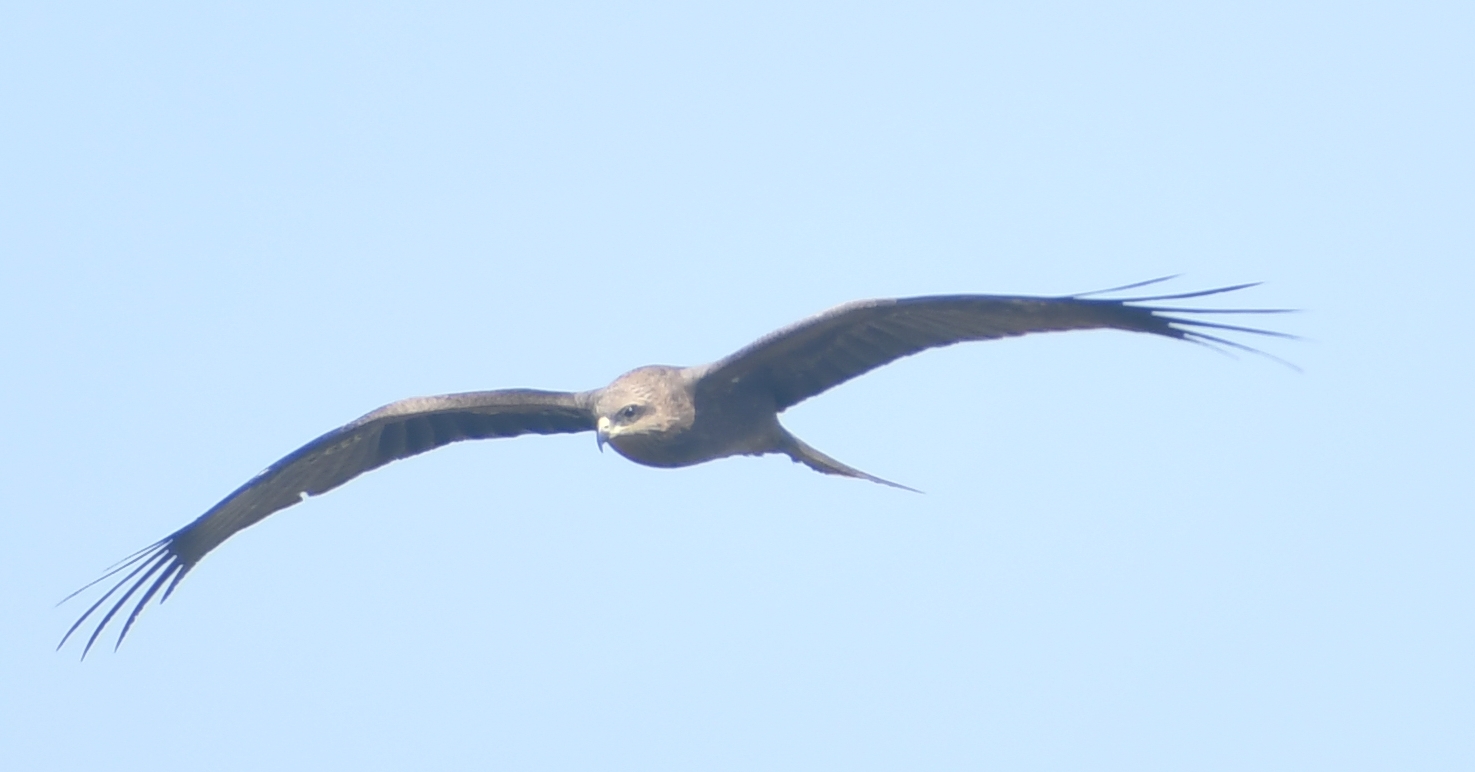
The black/pariah kite is perhaps the most frequently sighted bird of prey on campus. From early mornings to late evenings one can see them circling above. They often perch on very tall trees in quieter areas of the campus. Their calls are again unmistakable, a loud and shrill kee-lee-lee. Below is a picture of a curious kite locked onto RM while she tries to take a picture.

Rarer Birds on Campus